

Tennessee Valley Specialties

Tempered Glass Supply, Fabrication, and Install in North Georgia

Tempered glass in North Georgia is safety glass with a job: it breaks in small fragments if it ever fails, which is why codes treat doors, human-impact zones, many bath openings, and a long list of stair-adjacent guardrail infills seriously.

Measured
Field Verification
Fabricated
Shop-Built to Spec
Installed
Crew-Ready Sequencing
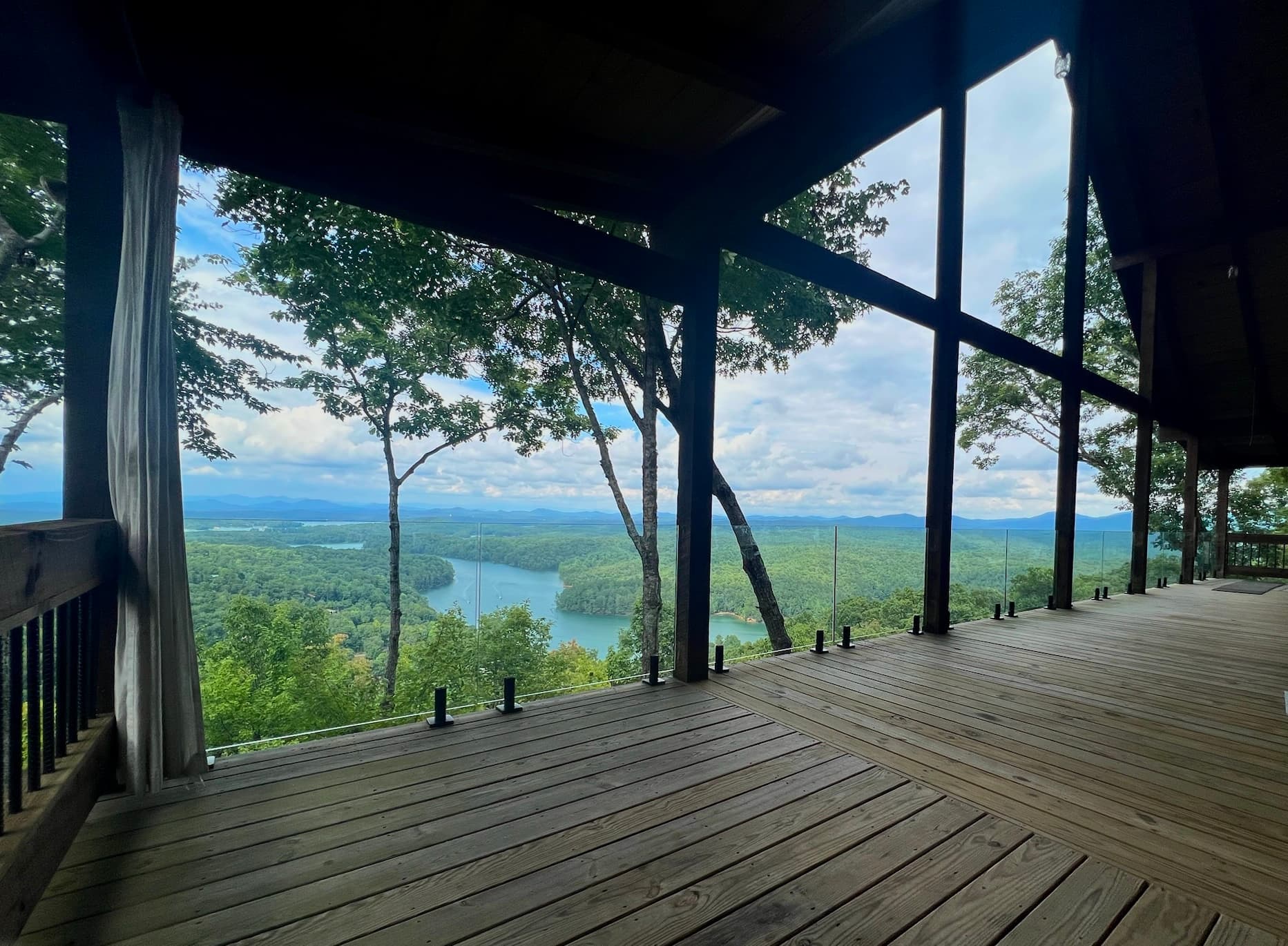
Tempered safety glass in a residential or commercial opening.
Service Overview

What Tempered Glass Is—and What It Is Not

Tempered glass is heat-treated safety glazing that is roughly four to five times more resistant to thermal stress and blunt impact than annealed glass of the same thickness, and it is designed to fracture into relatively small pieces when overloaded. It is not “unbreakable,” and it is not a substitute for correct thickness, support, and hardware discipline on large panels.

Safety glass is a category, not a single SKU: tempered is the common answer in residential guardrail and door conversations, but some goals push toward laminated assemblies. When sound, security interlayers, or post-break behavior matters as much as tempering, we compare honestly against laminated safety glass before you lock procurement.

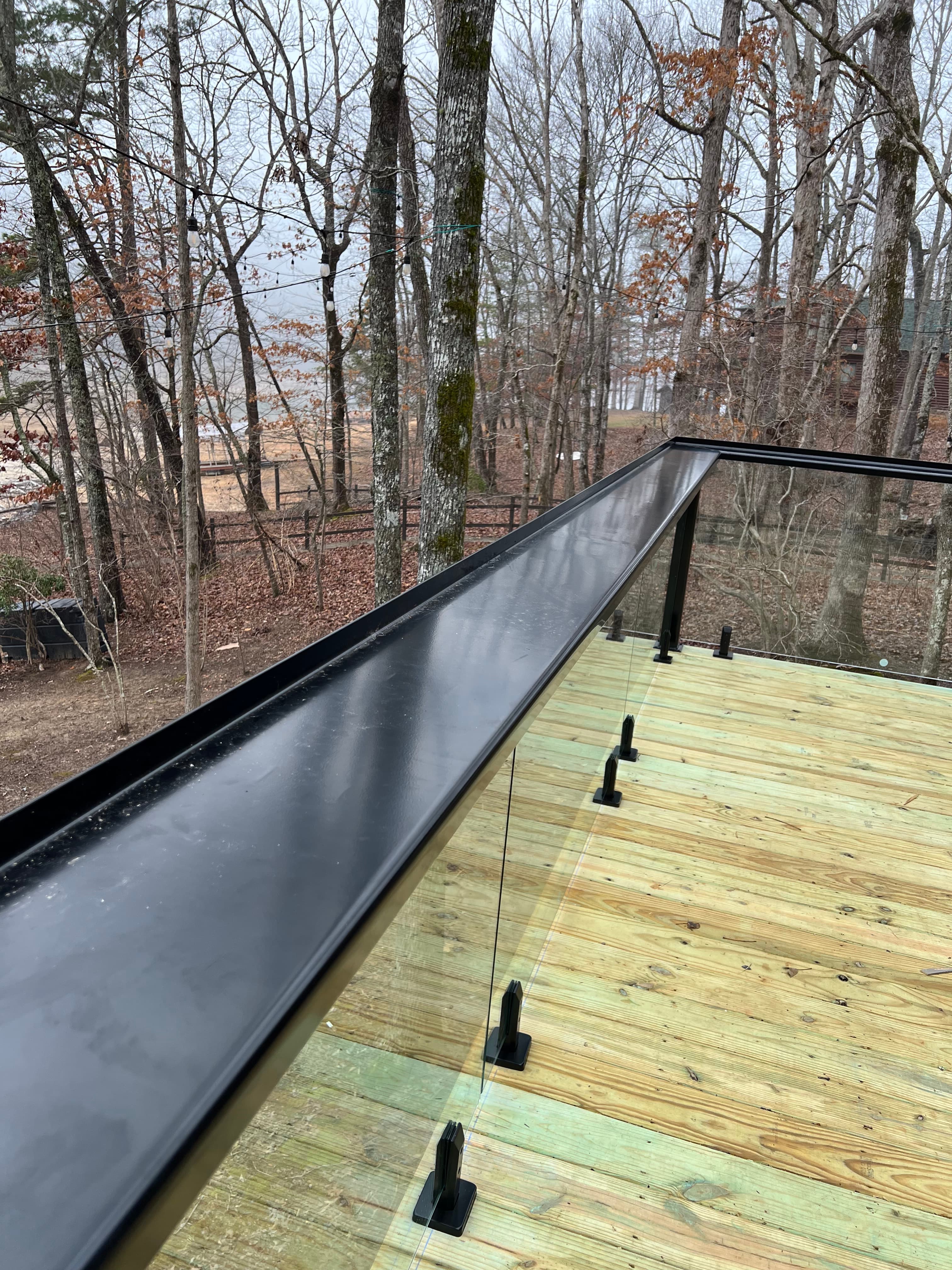
Tempered safety glass suited for doors, baths, and human-impact zones.
When to choose this

When Tempered Glass Is Required—or Simply the Responsible Choice

Codes and best practices treat many door lites, sidelites near doors, stair-adjacent panels, and bath zones seriously. If you are unsure whether your opening is in a human-impact path, ask early—changing your mind after cutting is expensive in both time and material.

Tempered glass replacement is also common after storm debris, baseball impacts, and shipping damage on large patio panels—when the failure pattern tells us the old lite was tempered, we match build and edge details so hardware and sweeps still behave.

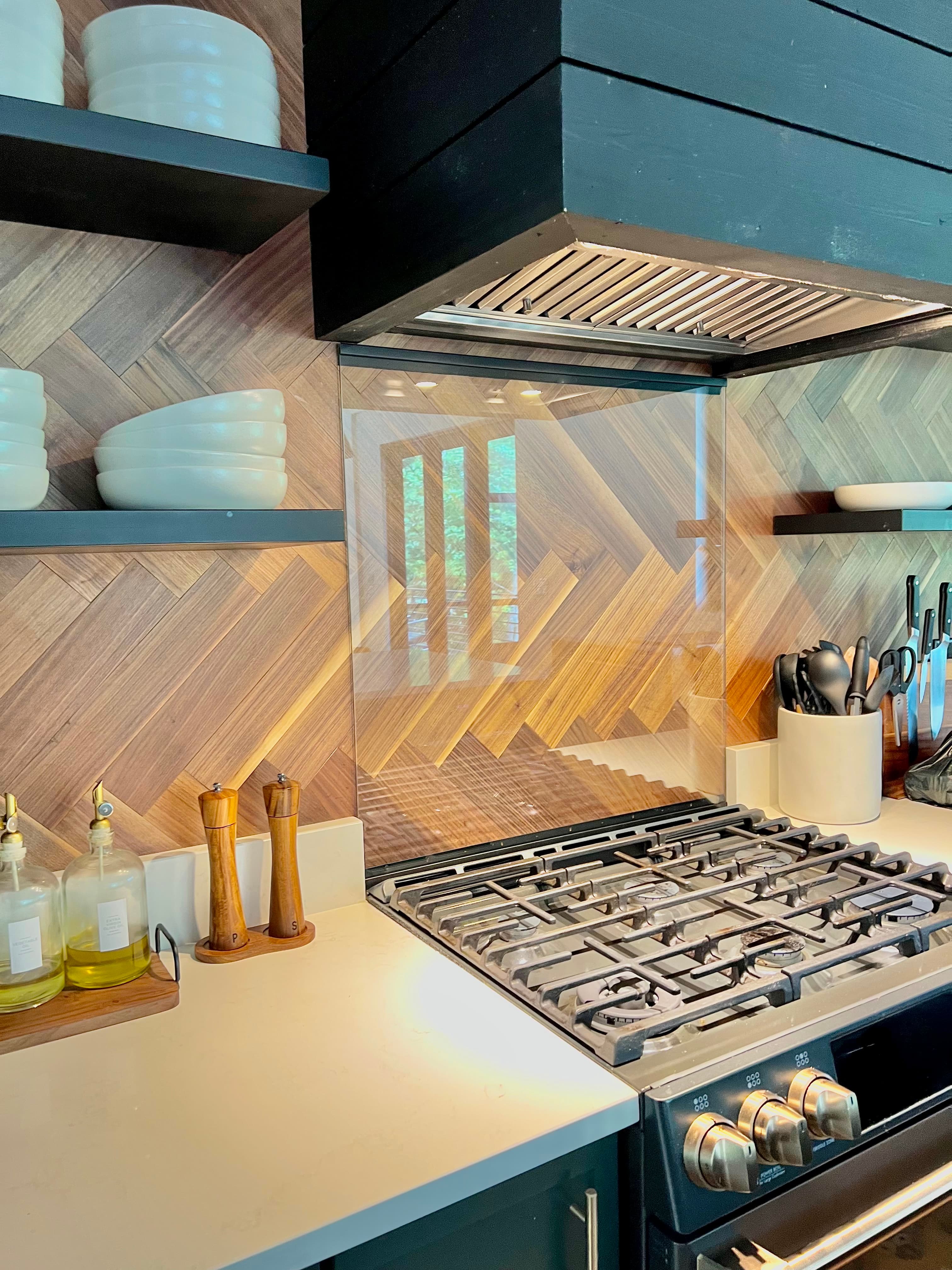
Tempered glass panel for a kitchen stove or cooktop surround.
How we work

Cut First, Temper Second: Why Sequencing Controls Your Timeline

Fabrication order is fixed: dimensions must be final before tempering, including holes, notches, and edge treatments that have to exist in the finished piece. That is why “we will figure it out on site” is a risky sentence next to tempered orders.

When your scope is still fundamentally a dimension-driven bench piece—shelves, small door lites, or simple rectangles where tempering is the add-on, not the geometry problem—many homeowners still start with cut glass to size discipline so measurements stay clean before the furnace cycle.

Details that matter

Thickness, Holes, Edge Work, and Hardware Interfaces

Thickness changes deflection, wind load behavior, and how hardware seats. Holes and notches change stress concentration, which matters for tempered panels near hinges and posts. Edge polish changes cleaning comfort and how a lite reads next to tile or metal.
We document hardware centers, gasket squeeze, and clip relief before we lock fabrication because tempered glass does not forgive a “close enough” hole pattern.
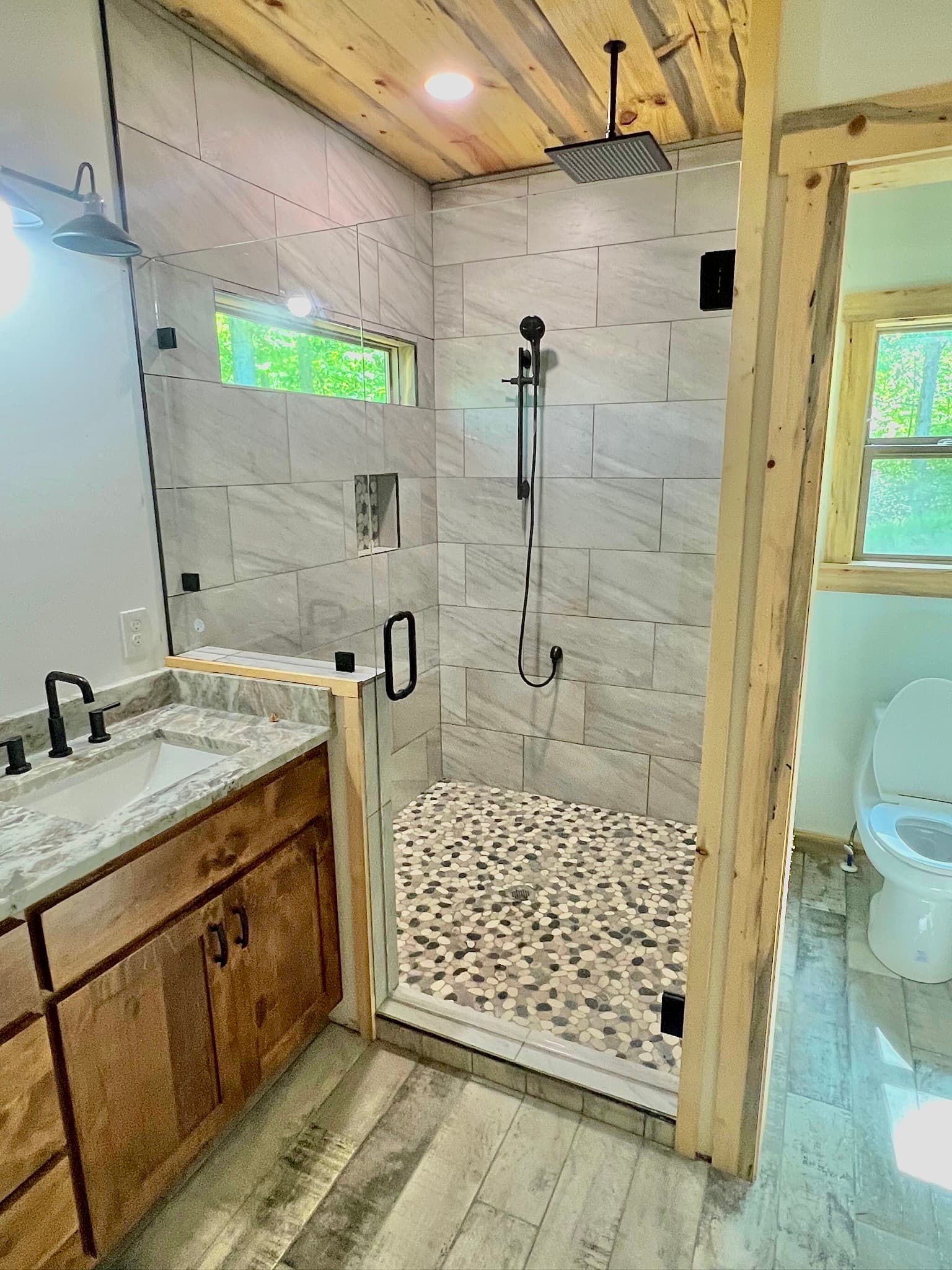
Tempered glass shower doors in a residential bathroom.
What we install

Shower Glass, Doors,and Railings: Where Tempered Shows Up Most Often

Baths and showers are human-impact zones: glass near slip risk, pivot hardware, and daily cleaning chemistry. Doors and sidelites see bags, elbows, and kids at the threshold. Railings and stair guards see leaning loads and code language about infill behavior.

Those openings still need field verification when walls are out of plumb, when posts do not land on structure, or when a long monolithic panel needs deflection discipline beyond “pick a thickness from a chart.”

What this looks like in practice

Where This Service Shows Up in Real Projects

The configurations below are common ways tempered glass shows up under the broader custom glass cutting program—not every possible scope. If yours is close, you are in the right place; send photos or call and we will confirm fit before we quote.

  1. How we coordinate measurement, fabrication, delivery, and install

    We start with use and location: interior versus exterior, exposure to wind, cleaning habits, and whether the opening is part of a coordinated remodel schedule. Then we confirm thickness, edge finish, holes, and hardware interfaces before we commit to a tempering order. Delivery and install are coordinated with site reality—finished floors, narrow stairs, mountain driveways—because the last mile is where edge chips happen and where rushed setting creates warranty callbacks.

  2. What drives cost, lead time, and risk on tempered orders

    Price moves with size, thickness, low-iron or coated glass, hole count, edge polish complexity, and volume. Lead time stretches with supplier schedules, specialty builds, and the simple fact that tempering adds a furnace step after cutting. Risk jumps when someone wants to rush verification, when hardware changes after glass is ordered, or when a field condition forces a redesign after cutting is already committed.

  3. Why install detail matters as much as the heat soak story

    Tempered glass fails in public ways when setting is sloppy: uneven gasket pressure, metal contact at corners, and clips that fight the panel because someone forced square glass onto a crowned wall. Good work shows up as even reveals, predictable door travel, and hardware you can adjust without feeling like you are fighting the room. North Georgia humidity, pollen seasons, and temperature swings change how houses move between summer and winter—we plan for real homes, not showroom demos.

  4. Blue Ridge, Blairsville, Murphy, and tri-state routing

    Most tempered work we coordinate supports North Georgia remodels and custom homes, with strong day-to-day familiarity around Blue Ridge and Blairsville. Murphy and nearby tri-state routes fit the calendar when access and crew routing line up—send your address, steep-drive notes, and photos of labels on failed units. Regional builder packages are not the center of this lane, but coordinated deliveries still happen when residential scopes tie to real supers and verified openings.

Planning Notes

Details That Matter Before You Quote Tempered Glass

The essentials above stay scannable; the notes below give homeowners, builders, and property teams the deeper context that affects scope, schedule, and quote accuracy.

Request a quote

  • More on Tempered Glass

    Tempered glass replacement after impact or seal-adjacent failures still has to answer the same questions as new work: what the frame can support, what the hardware expects for gasket bite, and whether the opening is still square enough to trust without a field template.

  • Project Realities to Plan For

    We work across Blue Ridge, Blairsville, Murphy, and the broader tri-state footprint when routing allows—send photos, labels from failed units when they exist, and your real install date so we protect your calendar.

  • Send Photos, Hardware Marks, and the Date You Need Glass in the Opening

    If you are mid-project, send opening photos, thickness if known, hole locations, hardware brands where visible, and whether the opening is near a door, stair, or bath. Include your town for routing and whether you need pickup or install.

    Request a quote when you are ready for numbers tied to verified scope, or call if you need guidance before you lock tile, metal, or hardware that depends on final glass sizes.

  • When You Are Ready for Safety Glass That Matches the Opening—not a Catalog Guess

    Tempered glass should end with a lite you trust at the lock check and a guardrail infill you trust at the handrail. Tell us whether you need a single replacement, a batch for a refresh, or a coordinated package across multiple openings.

    If your scope grows into full templated showers, long railing runs, or mixed laminated and tempered decisions across one elevation, ask for routing back to the full custom glass cutting program so sequencing stays under one accountable team.

FAQ

Frequently Asked Questions

  • Do you supply tempered glass in North Georgia?
    Yes. Tennessee Valley Specialties coordinates tempered glass supply and install for North Georgia projects with field verification and code-aware product selection. Send photos, opening dimensions, and labels from failed units when available.
  • Is tempered glass stronger than regular glass?
    It is stronger against many impacts and more resistant to thermal stress, but the bigger difference is how it breaks—small fragments versus large dangerous shards. Codes care about that behavior in predictable locations.
  • Can you replace tempered glass after a break?
    Yes, when the frame and hardware can support a clean swap and dimensions are verified. Tempered glass replacement often needs a new fabricated lite rather than an on-site repair.
  • How long does custom tempered glass take?
    Lead time depends on size, thickness, edge work, holes, coatings, and supplier schedules. Tempering adds processing after cutting, so rush assumptions are often wrong—tell us your real install date up front.
  • Can you drill holes after glass is tempered?
    No. Holes and notches must be completed before tempering. If you think you might need another hole, decide before fabrication locks—after tempering, changes require a new lite.
  • What should I send to get an accurate quote?
    Photos, rough dimensions, thickness if known, hole locations and diameters, hardware photos if relevant, and notes on whether the opening is near a door, stair, or bath. Include your town for routing and whether install is part of the scope.
Begin Your Project

Ready to move from photos to a measured quote?

Quotes are free. Send photos, the project address or town, and a short description. Tennessee Valley Specialties will follow up to schedule measurement when your opening needs field verification before preparing a reliable quote. Estimates are typically prepared in-house within about 24 hours after measurement, subject to workload and scope complexity.

Call now