



Tennessee Valley Specialties

Insulated Glass Replacement for North Georgia Homes

Insulated glass replacement in North Georgia is how homeowners get rid of the milky band that will not wipe away, the cold stripe at the glass edge, and the comfort loss that shows up on power bills long before anyone admits the seals failed. Insulated glass units—two lites separated by a spacer system—are built products: when the seal goes, the cavity can no longer do what it was designed to do, and cleaning the outside will not fix what is happening between the panes. Browse Tennessee Valley Specialties for the services we provide. What follows is how we match a failed unit to a replacement that fits your sash and performance goals—measurement, ordering, and install discipline meant to last.

Reviews
5.0
Service Area
Tri-State
Showroom
Copperhill, TN
  • Measured
    Field verification
  • Fabricated
    Shop-built to spec
  • Install-ready
    We provide install-ready glass, but we don't install full window units
  • On-Time
    Honest timelines
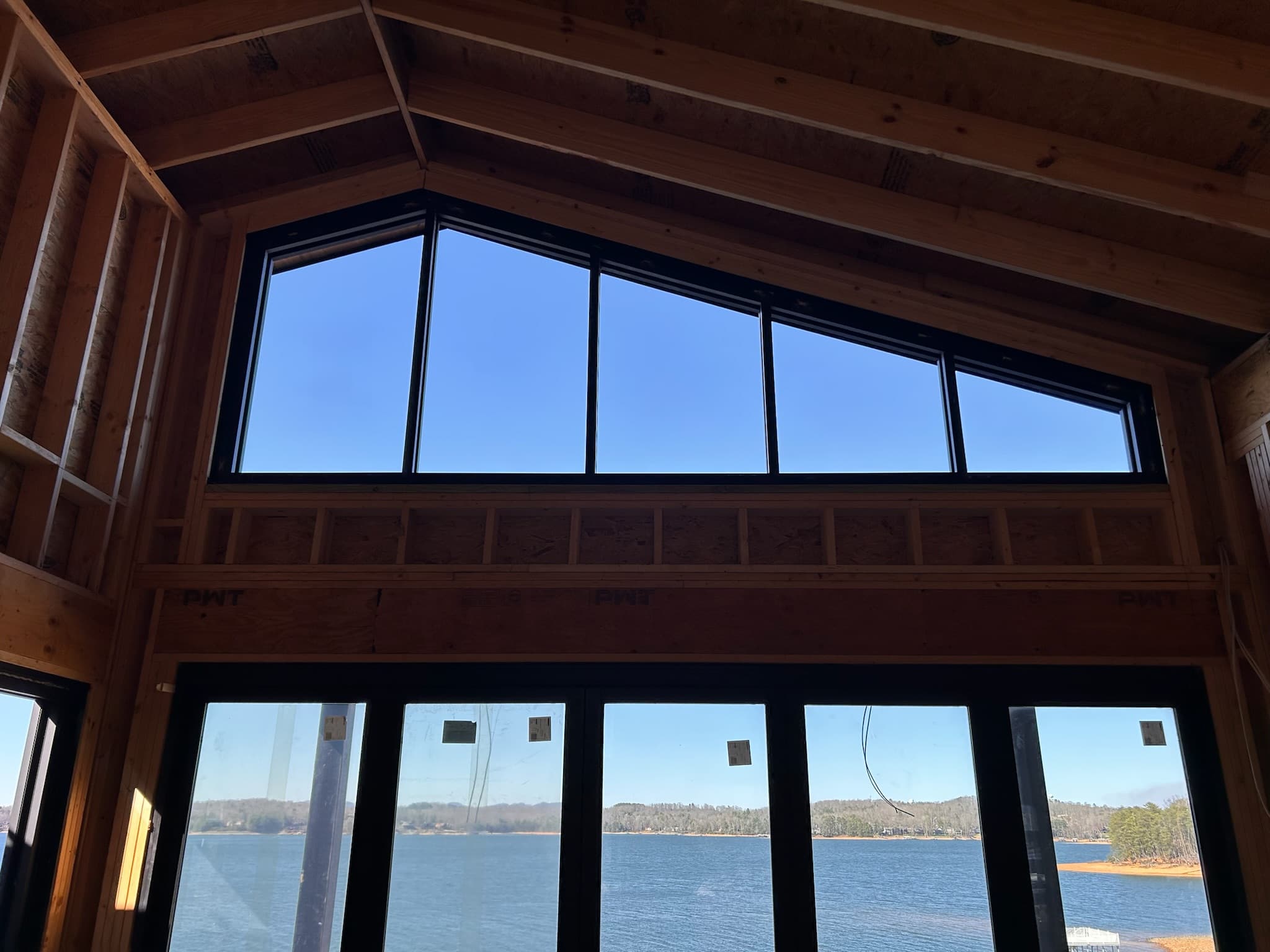
Residential windows and insulated glass—clear glazing on a home exterior.
Window and insulated glass detail—sash, glazing line, and exterior trim context.
Overview

We treat every IGU replacement as a manufacturing match tied to a real opening—not a generic “double pane” label pulled off a sticker you cannot find anymore. Thickness, spacer type, coatings, and gas fills all change how the house feels in August humidity and January drafts, especially when ridgeline sun hits one elevation harder than another. Failed-unit replacements and IGU work appear in the project gallery.

Tennessee Valley Specialties serves North Georgia, Southeast Tennessee, Western North Carolina, and nearby communities within roughly a two-hour radius of Copperhill, including Murphy, Blue Ridge, Blairsville, and surrounding areas. Second-home schedules and full-time residents often need firm arrival dates or listing timelines. Tell us the date you cannot move—we quote production windows we intend to keep.

What Insulated Glass Units Are—and What Replacement Actually Fixes

An insulated glass unit is a sealed assembly: two (sometimes three) glass lites bonded to a spacer with a controlled cavity, often with argon or krypton fill and a desiccant system meant to keep moisture out of the space between panes. When perimeter seals fail, moisture and organics enter the cavity, chemistry changes, and you see fog, streaks, or permanent haze that returns after cleaning.

Replacement means removing the failed unit from the sash, ordering a new IGU built to verified dimensions and performance targets, then installing it with proper support and seal at the sash, drainage, and gasket discipline so the new seal system is not fighting a bent frame or a channel full of old grit. The same insulated-unit discipline applies to many storefront remove-and-replace programs when frames can support a clean swap. Insulated glass units in North Georgia homes are not interchangeable commodities—two windows that look identical from the curb can carry different thickness stacks, coatings, and spacer histories.

At a Glance

Signs Your IGU Has Failed

  • Visible Fog or Haze Between Panes

    Cleaning the inside and outside surfaces does not change the look.

  • Streaks That Come and Go

    Moisture cycling inside the unit as temperature and humidity change.

  • White or Grey Film Along the Edge

    Spacer or desiccant breakdown along the perimeter sightline.

  • Drafts the Wall Does Not Explain

    Gas-fill loss often accompanies seal failure and shows up as cold spots at the glass.

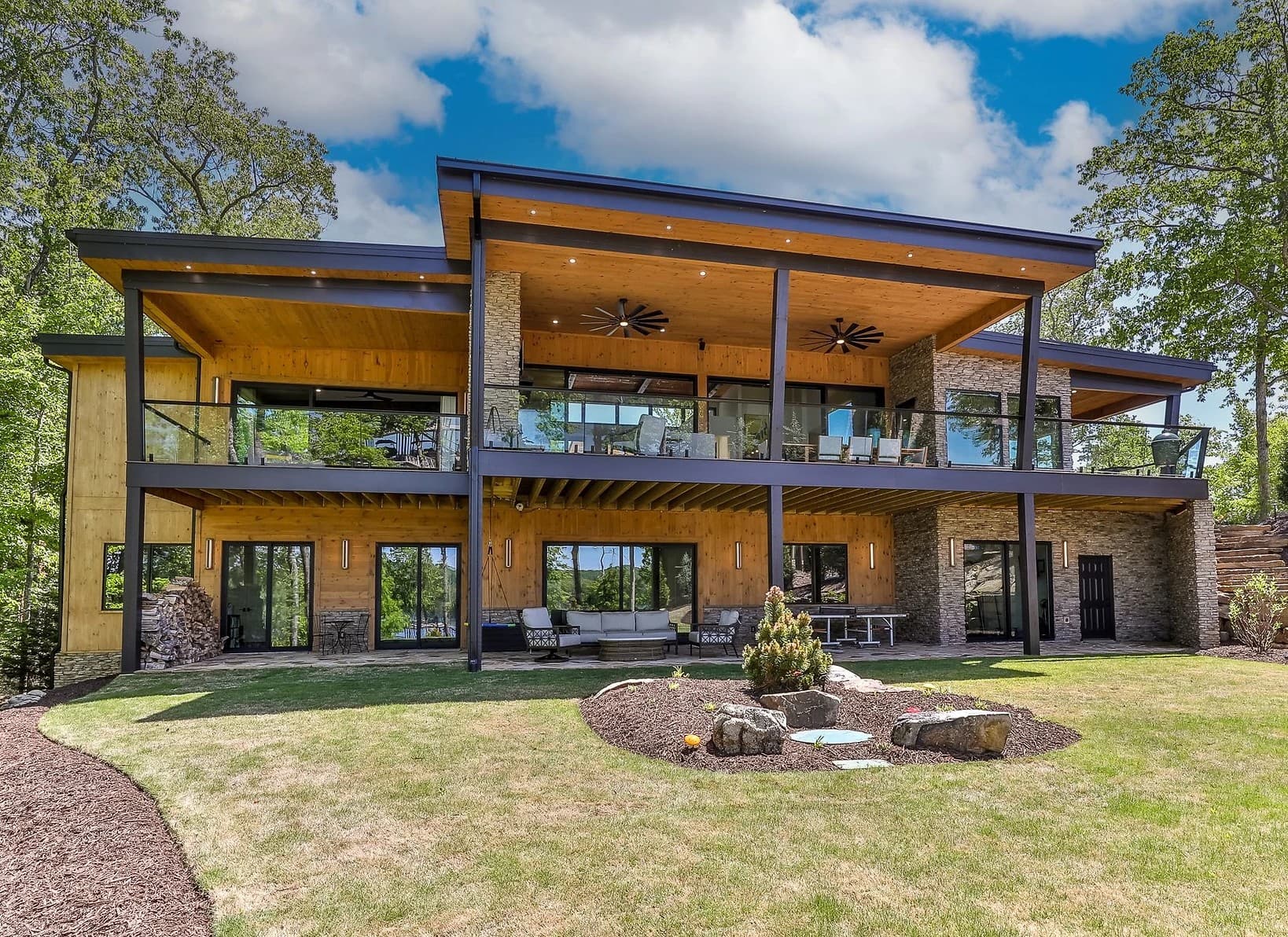
Residential windows with insulated glass—home exterior and glazing detail.
On Your Job

When Insulated Glass Replacement Is theRight Call

Homeowners usually call after the view fails: fog that sits in the lower third on cold mornings, a “smoke” film that never quite clears, or a sudden jump in condensation patterns that track to one sash. Others call after comfort changes—rooms that used to hold temperature now feel drafty at the glass line—or after an energy audit points to failed units they had learned to ignore.

Double-pane insulated glass replacement is also a common pre-sale repair: buyers notice failed seals immediately, and patch painting around sills does not change what they see at the glass line. If you are comparing symptoms and urgency before final pricing and scheduling are confirmed, window glass replacement is the broader residential lane for mixed failures—broken lites, single-pane oddities, and openings where the story is not only seal fog.

Our Process

How Insulated Glass Replacement Moves Forward

Most problems trace back to a measurement that was almost right. We template carefully—especially for showers and railings where walls are rarely plumb—then fabricate against those verified dimensions. Installation crews coordinate with supers and homeowners so materials arrive at the right time and fit correctly the first time.

For insulated work, we match thickness, spacer, and coating decisions to the specific opening. For mirrors and feature glass, we plan anchors, vibration, and cleaning access before we cut. For commercial schedules, we align deliveries to building hours, jobsite access, and safety requirements so installs run smoothly during business operations.

  1. Spacers, coatings, cavity fills, and the performance tradeoffs that matter

    Spacer systems change conductivity at the edge of the glass, which matters for condensation risk and for how cold the interior sightline feels in winter. Low-E coatings change solar gain and glare—important when summer sun bakes a western elevation or when a tree line drops and suddenly exposes a bank of glass.

    • We explain tradeoffs in plain language because the best IGU is the one that matches how the house actually lives, not the one that wins a spec sheet contest.
  2. How we evaluate, measure, order, and install

    We document what failed and where moisture lives: seal line patterns, desiccant breakdown clues, sash operation, and whether the frame channel drains.

    • Photos help, but we still want the story of when it started, whether any lite is cracked, and whether hardware still travels cleanly—binding operators can stress seals over time.
    • Measurements tie to manufacturing tolerances and gasket bite so the new unit seats evenly without daylight corners or forced flex.
  3. What drives cost, scope, and lead time on IGU orders

    Price moves with size, shape, thickness, coating stack, spacer system, gas fill, and whether we are matching an existing appearance across a wall of units.

    • Specialty shapes, muntin patterns, and true divided lite aesthetics add fabrication complexity; large units add handling risk and often require coordinated delivery.
    • Lead times stretch when suppliers are tight, when a coating match narrows sourcing, or when we refuse to rush a verification step that protects you from a reorder.
  4. Non-rectangular lites, site glass, and when the shop is part of the plan

    Not every opening is a clean rectangle on a fast factory line. Arched tops, clipped corners, and certain storm-damaged openings need verified dimensions and sometimes staged templates before final pricing and scheduling are confirmed.

    • That overlap does not replace IGU expertise when the cavity product is what failed.
Configurations

Where This Service Shows Up in Real Projects

The buckets below are common ways this service shows up—not a price list and not every possible ticket. If yours is close, you are in the right place; send photos or call and we will confirm fit before we quote.

Why Install Detail Matters as Much as the Order

Failed IGUs often arrive after years of marginal drainage, paint bridging weep paths, or tilt washes that drove grit into the lower seal line.

  • Good work shows up as even gasket pressure, smooth operation, and sightlines that read clean at dusk—when rushed shims or uneven support show up as waviness and glare scatter.

Whole-house Glass Updates and Mirror Work on the Same Remodel

Some projects pair IGU swaps with new custom mirrors—for example when you want large vanity or wall mirrors updated while window glass is being replaced.

  • Mirror scope is measured and installed on its own timeline; we keep insulated unit work tied to sash performance and seal science while mirror flatness and anchoring stay in the mirror program.
  • If you are refreshing a bank of window units for consistency before listing, tell us early.

Service Area

Tennessee Valley Specialties serves North Georgia, Southeast Tennessee, Western North Carolina, and nearby communities within roughly a two-hour radius of Copperhill, including Murphy, Blue Ridge, Blairsville, and surrounding areas.

  • Send your address and photos so we can confirm schedule and handling for your property.
  • Storefront and light commercial IGU work is routed on its own schedule when scope fits our regional footprint; this section stays focused on residential sash programs.
Why The Details Matter

Decisions That Change How the Finished Work Behaves

Insulated glass tickets: what to send before we verify
Send inside and outside photos, a short history of when the fog or haze started, and whether any operators bind. Include your town for routing, and tell us whether you need one failed sash handled quickly or a coordinated refresh across a wall of openings.
Planning Notes

Insulated Glass Details Before You Quote

The essentials above stay scannable; the notes below give homeowners, builders, supers, and property teams the deeper context that affects scope, schedule, and quote accuracy.

Request a quote

  • Spacers, Coatings, Cavity Fills, and the Performance Tradeoffs That Matter

    We explain tradeoffs in plain language because the best IGU is the one that matches how the house actually lives, not the one that wins a spec sheet contest.

  • How We Evaluate, Measure, Order, and Install

    Install day is about clean channels, correct support under the glass, protection of coatings, and operation checks after cleanup—because an IGU that is “almost” seated is an IGU that invites the next failure.

  • Non-Rectangular Lites, Site Glass, and when the Shop Is Part of the Plan

    That overlap does not replace IGU expertise when the cavity product is what failed. It means we route honestly: factory IGU when the sash expects a sealed unit, bench discipline when the geometry or program demands it, and straight talk when the frame should be repaired before any glass money is spent.

  • Why Install Detail Matters as Much as the Order

    Good work shows up as even gasket pressure, smooth operation, and sightlines that read clean at dusk—when rushed shims or uneven support show up as waviness and glare scatter. Mountain humidity and temperature swings punish sloppy setting; we plan for the seasons you actually live through, not the day we leave the driveway.

  • Whole-House Glass Updates and Mirror Work on the Same Remodel

    Coating appearance shifts with angle and time of day; we plan orders so you are not left with one “almost match” lite that photographs louder than the rest.

  • Insulated Glass Tickets: What to Send Before We Verify

    Request a quote for insulated glass replacement when you are ready for numbers tied to verified scope, or call if you need guidance before you lock listing photos, trim paint, or furniture placement against a glass date you cannot move. For mixed residential failures—broken lites, binding operators, or openings where the frame matters as much as the cavity—window glass replacement may be the wider next step.

FAQ

Frequently Asked Questions

  • Do you replace insulated glass
    units in North Georgia?
    Yes. We replace failed insulated glass units across North Georgia when frames and sash components can support a clean swap. We match thickness, spacer, and coating decisions to the opening, then install with attention to support, drainage, and operation. Blue Ridge, Blairsville, Murphy, and nearby communities are within our typical service area—call with photos and your address for timing.
  • Can you replace just the glass, not the whole window?
    Often yes—the aim is a new insulated glass unit in the existing sash when the frame, sash, and hardware can support a clean swap. If we find rot, bent frames, or drainage failure during evaluation, we tell you before you spend money on a cavity replacement that would fail again after the next wet season.
  • How do you decide between repair triage and full insulated glass replacement?
    We start with photos and the failure pattern. When the sealed insulated unit has failed and a new built IGU is the durable fix, insulated glass replacement is the path. If the story is mixed—hardware, frame, or unclear symptoms—we may route you to window glass replacement for a broader evaluation.
  • How long does insulated glass replacement take?
    Lead time depends on glass build, coatings, specialty shapes, spacer systems, supplier schedules, and whether we are matching a bank of units for consistency. Tell us your real deadline—move-in, listing photos, or a planned visit to the property—so we quote production windows we intend to keep.
  • Will the new unit match my
    existing low-E or tint?
    We use a glass reader to identify existing glass characteristics so replacement options can be matched as closely and accurately as possible. Coatings change appearance with angle and daylight; we discuss match goals clearly. When consistency matters across multiple openings, we plan orders together so the street view stays coherent.
  • Do you handle double pane glass replacement for patio doors?
    Yes, when the sash can support the weight and the opening is measured correctly for the operator and sweep paths. Patio doors punish bad measurements because travel and impact zones are unforgiving—send photos of the full unit and describe any binding before we lock a build.
Begin Your Project

Ready to talk through your project?

Quotes are free. Send photos and rough measurements, your project address or town, and a short description of what you need. Call, email, or use the contact form—we follow up to schedule in-person measurement when your opening needs field verification before a reliable estimate. Estimates are typically prepared in-house within about 24 hours after measurement, subject to workload and scope complexity. If you are unsure this page is the right fit, still reach out—we will tell you plainly when another program is a better match.

Call now