

Tennessee Valley Specialties

Cut Glass to Size for Shelves, Tabletops, and Replacement Pieces

Cut glass to size in North Georgia is the practical lane when you already have dimensions you can defend: a shelf span with a max weight in mind, a cabinet door lite that has to match an existing hinge reveal, replacement glass pieces for a storm insert, or custom cut tabletop glass where the base is stable and the edge finish has to feel good under daily cleaning.

Measured
Field Verification
Fabricated
Shop-Built to Spec
Installed
Crew-Ready Sequencing
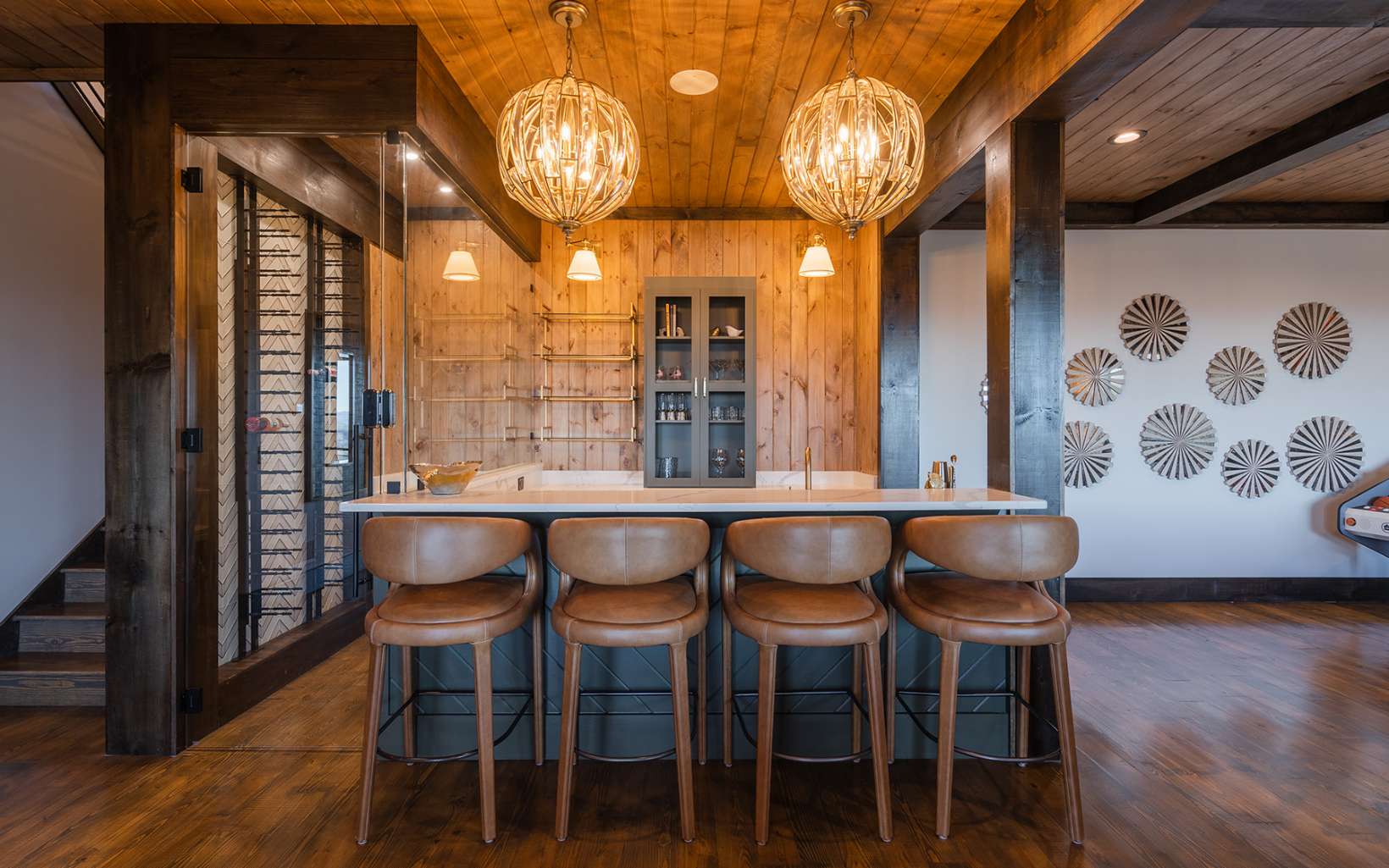
Custom cut glass shelf or panel in a residential interior.
Service Overview

What Cut Glass to Size Means at Tennessee Valley Specialties

Cut glass to size is the controlled fabrication of sheet glass into parts that match verified dimensions: rectangles, squares, clipped corners, and simple cutouts when the scope stays within safe handling and predictable seating. Edge work can include seam polish for shelves, arris for handling comfort, and bevels where the design calls for it.

This lane is built for replacement glass pieces and smaller residential scopes where templates and field verification are straightforward—not for guessing at a shower wall that has never been plumbed.

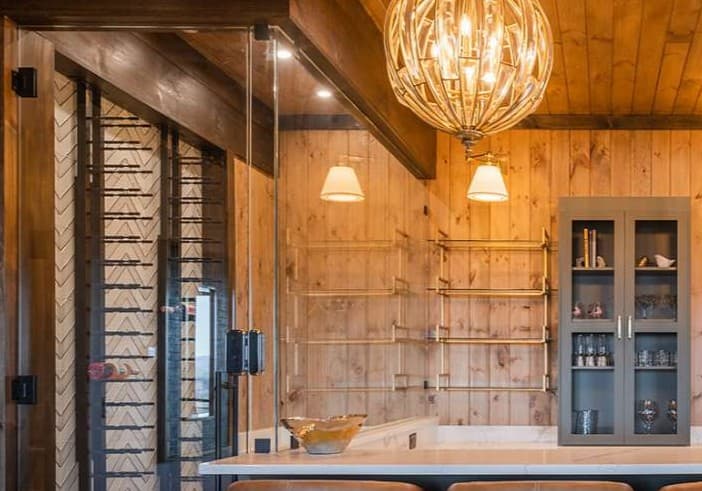
Custom cut glass piece prepared for a residential opening.
When to choose this

When Cut-to-size Is the Right Choice—and When It Is Not

Cut-to-size fits when you have trustworthy dimensions from a manufacturer cut sheet, a pattern that is not warped, or an opening that is square enough to measure without lying to yourself. It fits custom cut tabletop glass when the base is flat, the span is within the right thickness for deflection, and you know how you want edges to feel in daily use.

It is the wrong lane when the opening is doing something theatrical: frameless shower geometry, long railing spans, or site conditions where the substrate is moving. Those jobs need full templating and sequencing under the parent cutting program so accountability stays in one place.

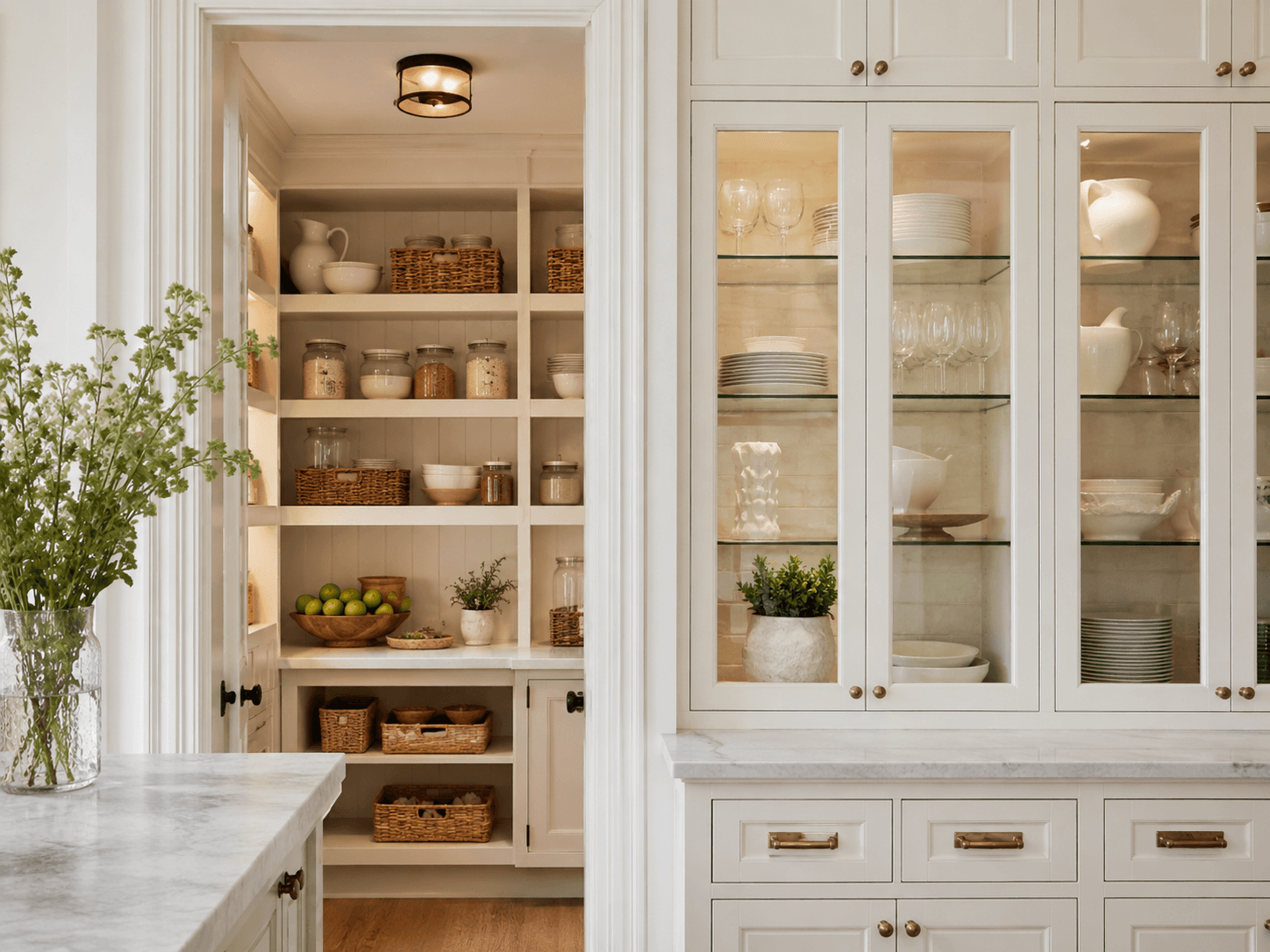
Pantry or cabinet door glass cut to size for a residential kitchen.
How we work

Shelves, Cabinets, Storm Inserts, and Small Door Lites

Pantry shelves and cabinet door glass are common: homeowners want thicker glass for span, polished edges for cleaning, and sometimes notches for hardware. Storm and insert work is common after hail seasons—when you need replacement glass pieces that match thickness and sightlines without reinventing the whole sash.

Each of those jobs still needs thickness discipline. A shelf that flexes under load is a shelf that will chip at the corners; a door lite that is too thin for the hinge pattern will bind after the first humid week.

Details that matter

Tempering Paths After Cutting—and Why Sequencing Matters

Many locations near doors, baths, stairs, and human-impact zones require tempered safety glazing. Tempering is sequenced after cutting and edge work: once glass enters the heat-treatment cycle, you cannot “trim a little” afterward without starting over. That sequencing changes lead time and rework risk, which is why assumptions must be correct before the first cut.
When your opening is clearly in tempered territory—or when you want the behavior of tempered glass for durability even outside strict code triggers—we align specifications and scheduling with tempered glass workflows so the order matches inspection expectations, not a guess from a retail aisle.
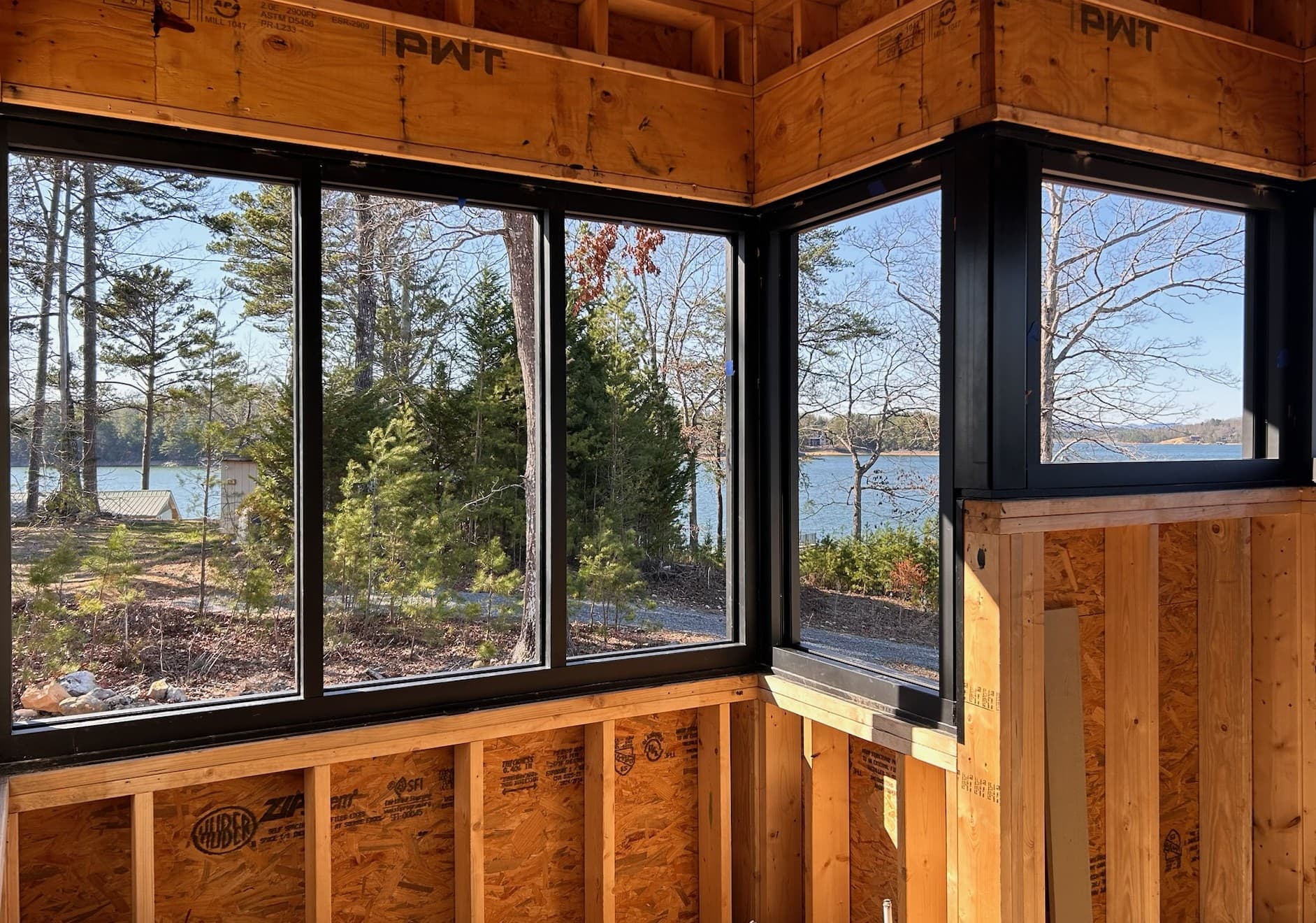
Custom cut glass installed in a residential cabinet or opening.
What we install

Laminated Glass When Sound, Security, or Post-break Behavior Matters

Laminated glass layers a plastic interlayer between lites for different performance goals: sound damping, certain security narratives, and post-break behavior that some openings reward. It changes weight, edge appearance, and how we think about support and setting.

If your project is exploring laminated options for a sidelite, borrowed-light panel, or specialty residential detail—not a quick rectangle shelf—route specifications early with laminated safety glass guidance so procurement and install stay coherent.

What this looks like in practice

Where This Service Shows Up in Real Projects

The configurations below are common ways cut glass to size shows up under the broader custom glass cutting program—not every possible scope. If yours is close, you are in the right place; send photos or call and we will confirm fit before we quote.

  1. Patterns, cut lists, and the difference between “close” and “right”

    Patterns work when they are rigid, square, and pulled from a stable opening—not from a warped frame you plan to replace next year. Cut lists work when they include thickness, edge finish, hole diameters and centers, and any clip relief that hardware demands. If you are unsure whether your pattern is trustworthy, send photos before you cut fuel driving to the shop. We will tell you plainly when field verification is cheaper than gambling on scrap.

  2. How we move from your dimensions to a clean edge

    We start with use: indoor shelf versus door-adjacent panel, whether kids or pets press against the glass, and whether the piece sees daily moisture. Then we confirm thickness, edge finish, and any holes or notches before we commit to layout on the bench. Fabrication is staged so fragile pieces are not stacked under unrelated weight. If you need pickup or coordinated delivery, we align handling with the real site—mud on boots, narrow stairs, finished floors—because the last mile is where careless handling shows up as chips.

  3. What drives cost, yield, and lead time on cut-to-size orders

    Sheet yield is a quiet driver: odd sizes can burn more waste than homeowners expect, and combining orders when schedules allow can save money without cutting corners on quality. Thickness, low-iron or coated glass, complex edge polish, tight tolerances, and large panels all move price because they change risk and handling time. Tempering and laminated builds add processing steps beyond the bench, which means more calendar time—not just more dollars. Rush paths sometimes exist, but the honest answer is often tradeoffs, not a same-day promise that assumes every partner in the chain is idle.

  4. Why edge polish and square corners matter as much as the length and width

    Good cutting shows up as edges that do not cut hands during install, holes that line up with hardware without ovaling the bit path, and dimensions that seat without forcing gaskets. Sloppy cutting shows up as daylight at a corner, a hinge bind you blame on the hardware, or a tabletop that reads wavy under recessed lights. Mountain homes add humidity swings and grit; edges and corners that felt “fine” in the shop can telegraph differently once cleaning chemistry and daily use start.

Planning Notes

Details That Matter Before You Quote Cut Glass to Size

The essentials above stay scannable; the notes below give homeowners, builders, and property teams the deeper context that affects scope, schedule, and quote accuracy.

Request a quote

  • More on Cut Glass to Size

    Made to order glass still has to answer the same questions as larger fabrication jobs: how the piece will be carried through a finished house, how it seats in a frame, and whether “close enough” will read as wavy under your kitchen lights. We would rather slow you down for a fifteen-minute verification than rush a cut that turns into a reorder.

  • Project Realities to Plan For

    We work daily for homeowners and remodelers around Blue Ridge, Blairsville, Murphy, and the broader tri-state footprint when routing allows—bring patterns when you can, send photos when you cannot, and tell us your real install date so we protect your calendar.

  • North Georgia and Tri-State Pickup or Delivery

    Most cut-to-size volume supports North Georgia remodels and cabin work—places where steep drives and tight arrival windows make communication as important as the tape measure. We route toward Murphy and broader tri-state jobs when calendars line up; call with your town and photos so we are honest about timing.

    Coordinated deliveries fit when the scope is a residential cut list tied to real install dates rather than a speculative pickup. We bench-fabricate to verified dimensions and stage handoffs around your finish week.

  • Send Dimensions, Thickness, and Photos Before You Buy Hardware Twice

    If you are mid-project, send a short note about use, thickness if known, edge requirements, and photos of the opening or failed piece. Include your town for routing and whether you need pickup or delivery.

    Request a quote when you are ready for numbers tied to verified scope, or call if you need guidance before you lock cabinet hardware or table bases to sizes you cannot change later.

  • When You Are Ready for Made to Order Glass That Fits the First Time

    Cut glass to size should end with a piece you trust at the hinge check and a shelf that does not flex when you load it honestly. Tell us whether you need one piece quickly or a coordinated batch for a multi-opening refresh.

    If your scope grows into showers, railings, or field templates, ask for routing back to the full cutting program so sequencing stays under one accountable team.

FAQ

Frequently Asked Questions

  • Do you cut glass to size in North Georgia?
    Yes. Tennessee Valley Specialties cuts glass to size for North Georgia homeowners and remodelers when dimensions are verifiable and scope fits bench fabrication. Strong familiarity includes Blue Ridge, Blairsville, Murphy, and nearby communities—send photos, thickness notes, and edge requirements for accurate routing.
  • Do you cut custom tabletop glass?
    Yes, when the span, thickness, and edge finish match safe support and the base is flat enough to trust. Send base dimensions, desired overhang, and how you plan to seat the glass so we can advise on thickness and risk before we cut.
  • Do you cut glass while I wait?
    Sometimes for very small pieces when the schedule allows, but most work is staged for quality control and safe handling. Call ahead with dimensions and photos so we can advise whether same-day is realistic.
  • Do you deliver cut glass to job sites?
    Yes, when coordinated with install scope, access, and protection needs. Delivery timing depends on routing and how fragile the piece is—tell us your town and driveway constraints up front.
  • What if my piece needs to be tempered?
    Tempering happens after cutting and edge work, which means dimensions must be final before the tempering order locks. If you are uncertain whether your location requires tempered or laminated safety glazing, ask early—we route honestly because changing your mind after cutting is expensive.
  • What should I bring for a cut-to-size order?
    Dimensions, thickness if known, edge finish preferences, hole locations and diameters if applicable, and photos of the opening or failed piece. Bring a rigid pattern when you have one, and tell us how the glass will be used so we can flag human-impact zones before fabrication starts.
Begin Your Project

Ready to move from photos to a measured quote?

Quotes are free. Send photos, the project address or town, and a short description. Tennessee Valley Specialties will follow up to schedule measurement when your opening needs field verification before preparing a reliable quote. Estimates are typically prepared in-house within about 24 hours after measurement, subject to workload and scope complexity.

Call now