

Tennessee Valley Specialties

Laminated Glassand Safety Glass Installation in North Georgia

Laminated glass is a built sandwich: two or more glass lites bonded with a tough plastic interlayer so the assembly behaves as one panel for handling, setting, and—when stressed—the way cracks propagate and what stays in the opening afterward.

Measured
Field Verification
Fabricated
Shop-Built to Spec
Installed
Crew-Ready Sequencing
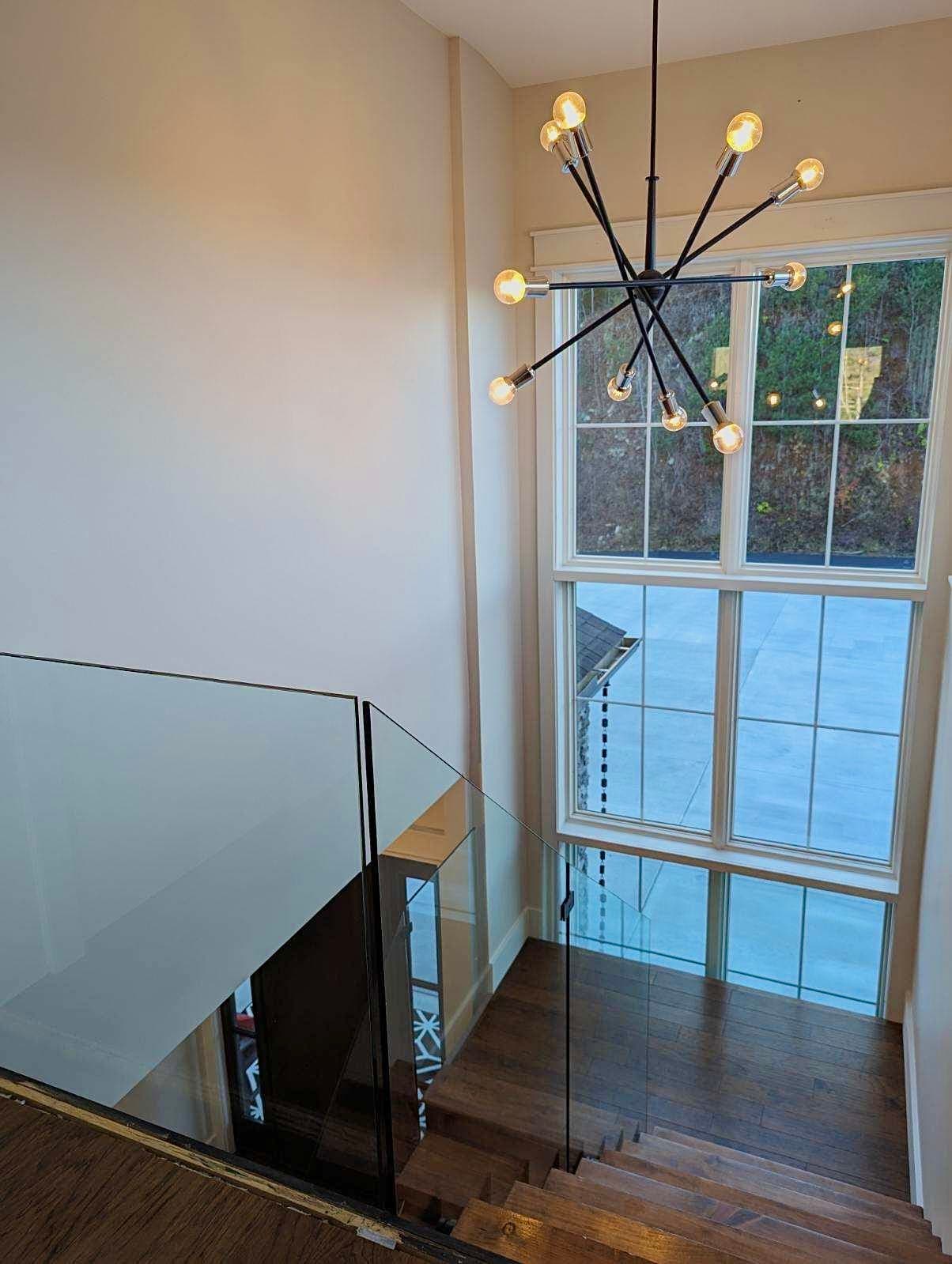
Laminated safety glass on a stair or guardrail opening.
Service Overview

What Laminated Glass Is—and How It Behaves Differently Than a Single Lite

At the bench level, laminated glass is fabricated by stacking glass and interlayer, then processing the pack so the plastic layer bonds consistently. The visible result is often a slightly softer edge line at exposed sides, a little more weight in your hands, and a different flex feel when you tap it—cues that tie to how the panel seats in channels, how clips bite, and how deflection shows up under wind or someone leaning on a guardrail.

“Impact resistant glass” can mean laminated makeups rated for specific test protocols, or a laminated assembly chosen for practical toughness short of a labeled storm product. We translate homeowner language into orderable build sheets: glass types, thicknesses, interlayer family, low-iron clarity when it matters, and whether the opening still needs heat-treated plies depending on location and code triggers.

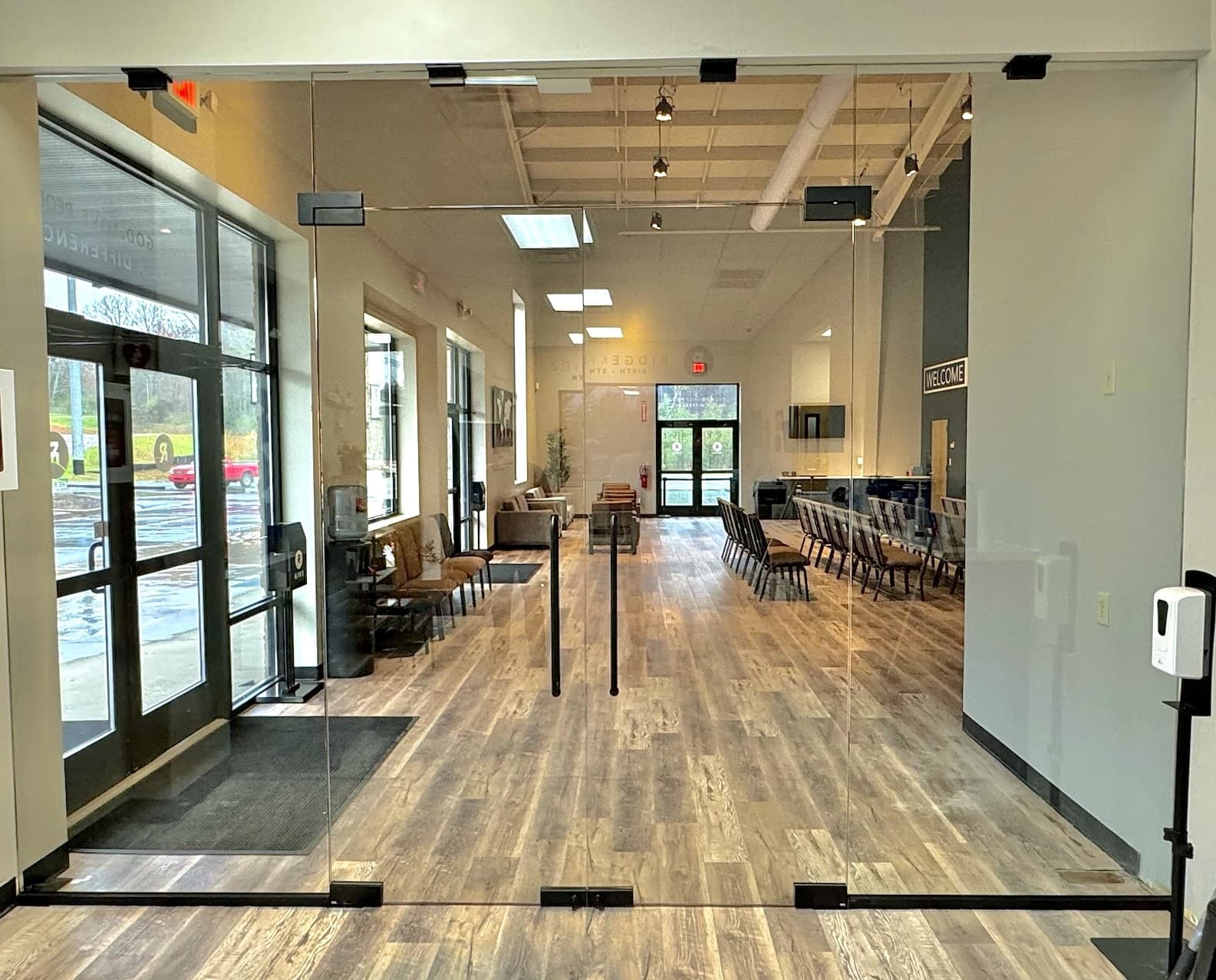
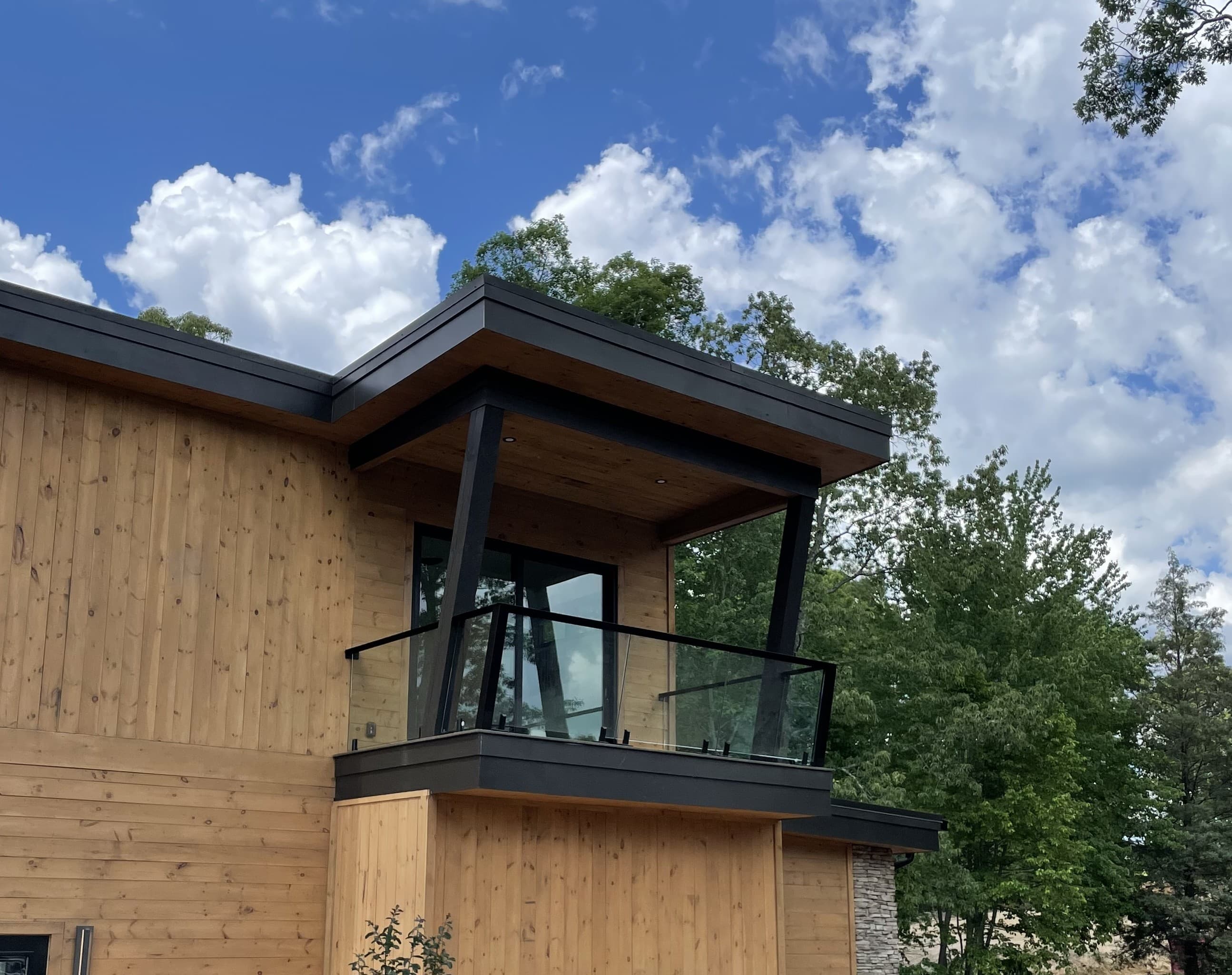
Laminated safety glass in a residential or commercial opening.
When to choose this

When Laminated Safety Glazing Is the Right Conversation

Laminated glass earns its place when the job is not only “stronger glass” but controlled post-break behavior, acoustic performance, or a security story that depends on the interlayer doing work after the outer skins crack. Think borrowed-light panels over a stairwell, interior partitions where you want glass that does not immediately shower shards, certain door and sidelite conditions where the assembly specification pushes beyond a simple tempered swap, and select overhead or sloped glazing where the project team wants a bonded pack rather than relying on a single monolithic lite.

Laminated window glass also shows up when road noise, generator placement, or a tight lot line turns the conversation toward damping rather than swapping to a thicker single pane and hoping for magic. None of that removes the need for good seals and frame performance—lamination helps the glass assembly do its part; the perimeter still has to be built like it means it.

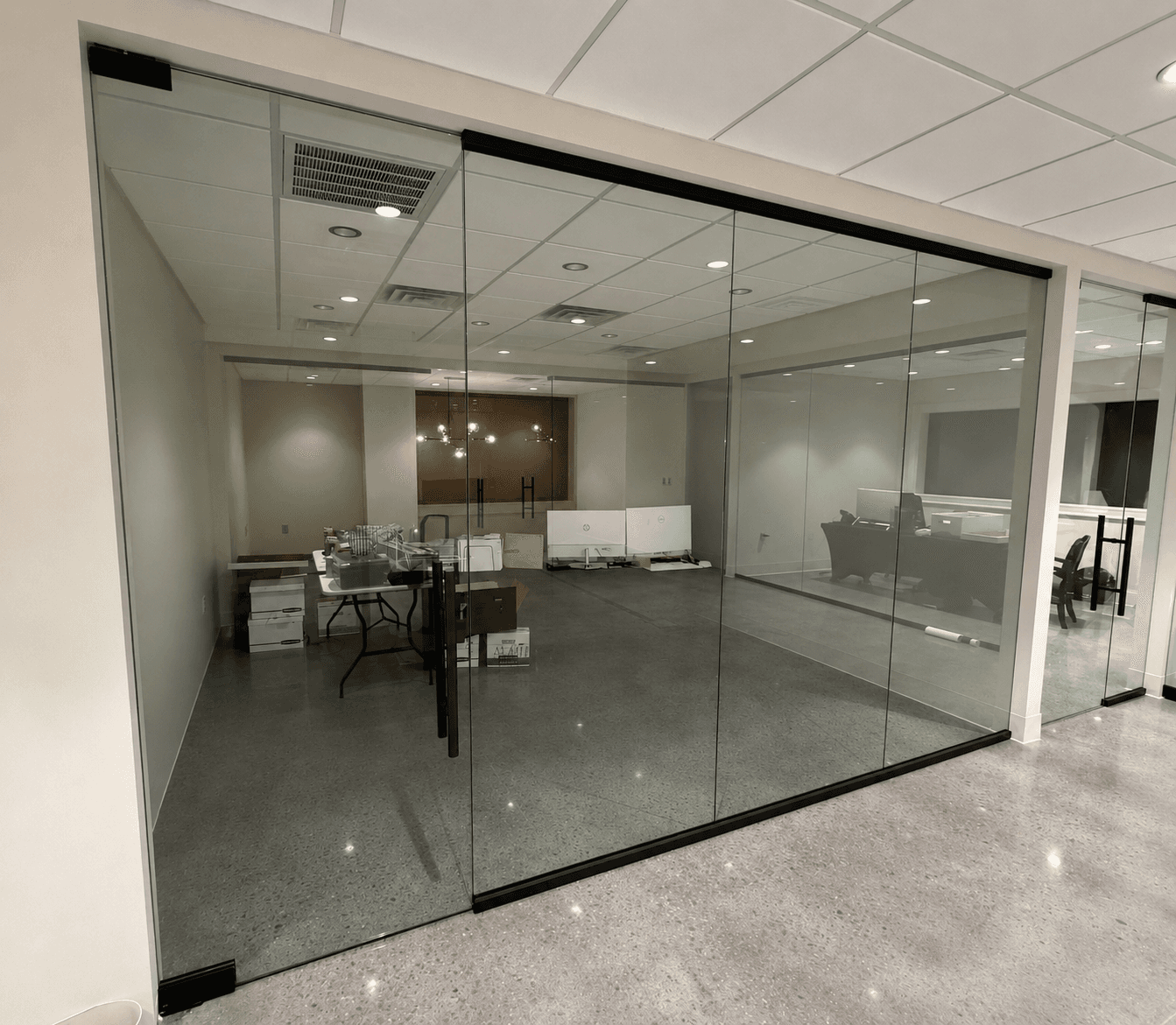
Laminated safety glass fabrication and installation in a finished opening.
How we work

Tempered Glass, Laminated Glass, or Both: How We Keep the Choice Honest

Safety glass is a category, not one SKU. Tempered glass is often the right backbone for human-impact zones because of how it breaks, and we treat tempering as a disciplined fabrication lane with fixed sequencing. Laminated glass trades different advantages: the interlayer can keep the panel more coherent after impact, support acoustic goals, and pair with design constraints where a fabricator needs a bonded pack rather than a single heat-treated surface.

Some assemblies combine heat-treated plies with interlayers to meet layered goals. When your opening is still fundamentally a measured rectangle where the first question is clean dimensions before any safety treatment, we often align early bench work with cut glass to size habits so verification happens before interlayer dollars commit. When the opening is clearly temper-led but you are comparing categories, we walk the same decision tree we use on tempered glass—then fold laminated options in only where they earn their cost.

Details that matter

Project Types We See Across North Georgia and the Tri-state Edge

Residential work clusters around targeted upgrades: street-facing bedrooms, music rooms, home offices with glass fronts, sidelites paired with heavy entry doors, and interior glass walls where the client wants laminated window glass performance without turning the house into a science project. Mountain builds add transport reality—long panels, steep drives, and finished floors that punish a rushed carry.
Select commercial and builder-forward work may call for entrance bundles, interior feature walls, or security-adjacent glazing where hardware templates and deflection limits were decided before the glass package arrived. In every lane, safety glass installation is where theory meets gasket squeeze, setting blocks, and whether the frame was built to carry the actual dead load.
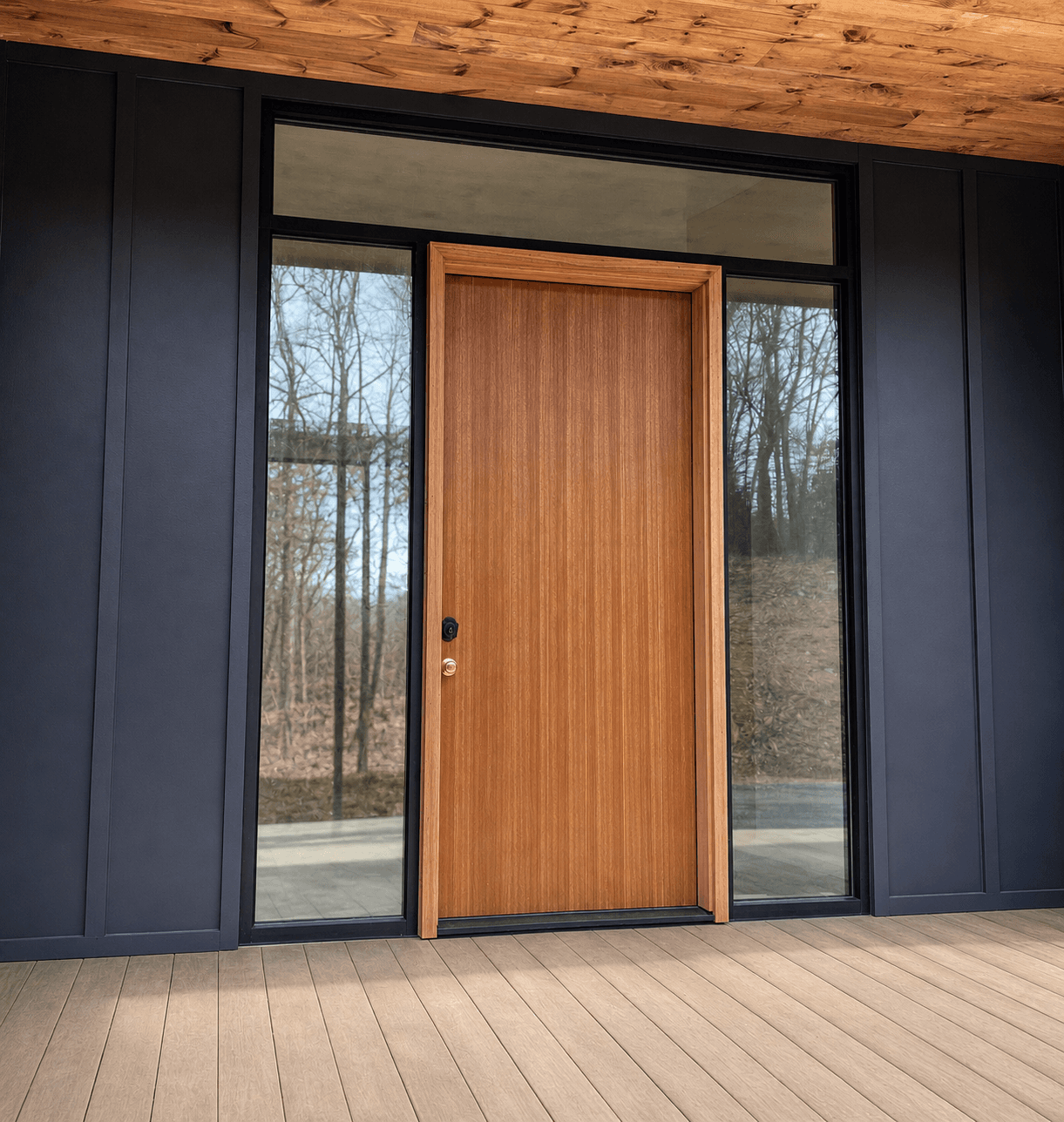
Laminated safety glass in a residential front door or sidelite opening.
What we install

Interlayers, Thickness Stacks, and What Drives Specification Risk

Interlayer families and thicknesses change acoustic damping, stiffness, and how aggressively the panel resists penetration after outer glass breaks. They also change weight and how much thermal bow you might see in wide lites sitting in sun. We document what you are trying to solve—noise, security feel, post-break retention, clarity—then match a build that is orderable and settable, not a vague “laminated” checkbox.

Low-iron glass, coatings, and edge polish choices still matter because laminated panels often live where people see them every day. Holes, notches, and cutouts have to be planned with the full pack in mind: this is not the place for last-minute “can we add one more anchor” after fabrication is already moving.

What this looks like in practice

Where This Service Shows Up in Real Projects

The configurations below are common ways laminated safety glass shows up under the broader custom glass cutting program—not every possible scope. If yours is close, you are in the right place; send photos or call and we will confirm fit before we quote.

  1. How we move from field conditions to a laminated order that fits

    We start with the opening story: interior or exterior exposure, wind exposure on upper decks, cleaning chemistry nearby, hardware centers already drilled into metal, and whether the frame is new and square or older and proud in places. Photos help, but we still ask the questions that photos hide—channel depth, bed leg width, and whether someone expects a flush plane or a stepped bite. Then we lock dimensions with a method that matches risk: verified measurements, rigid patterns when patterns are appropriate, and clear notes on tolerance when a frame is not going to become more honest than it is today. Fabrication lead time for laminated builds often tracks interlayer availability, glass size, edgework, and whether the schedule includes additional processing steps beyond basic lamination.

  2. What moves price, lead time, and scope on laminated work

    Cost climbs with area, thickness stack, specialty interlayers, low-iron substrates, complex edge polish, hole counts, and tight optical requirements. Lead time stretches when suppliers queue large packs, when coatings must face a set direction, or when change orders land after fabrication starts. Rework is expensive because laminated glass is not a field-trim product—adjustments belong upstream in verified dimensions and coordinated hardware.

  3. Why laminated safety glass rewards patient install detail

    Laminated panels punish point loads and metal contact at corners. They reward even bearing, clean channels, compatible setting materials, and clips that were meant for the actual thickness you ordered. Safety glass installation for laminated makeups is partly physics and partly carpentry: if the frame undulates, the glass will telegraph it, and if the perimeter is starved for support, flex shows up as binding doors, noisy rails, or edge stress you can feel during handover. We plan carries, protection, and sequencing the same way we do on other heavy glass work—because the last mile is where edge damage happens and where a rushed shim stack turns into a callback.

  4. Ready to confirm interlayer, thickness, and install scope?

    If you have drawings, photos, approximate sizes, and the date you need glass landed in the opening, request a quote and we will respond with questions that matter—interlayer goals, exposure, hardware, and whether the job should split fabrication lanes. Prefer a phone call first? Call Tennessee Valley Specialties and say you are deciding between laminated window glass and tempered-only paths; we will shorten the decision loop instead of selling you the thickest panel that fits the truck. When your package mixes laminated, tempered, and straight-cut pieces across one home or one elevation, ask us to keep everything under one accountable schedule so sequencing does not turn into a coordination puzzle on the day of install.

Planning Notes

Details That Matter Before You Quote Laminated Safety Glass

The essentials above stay scannable; the notes below give homeowners, builders, and property teams the deeper context that affects scope, schedule, and quote accuracy.

Request a quote

  • More on Laminated Safety Glass

    Laminated window glass is not interchangeable with every tempered door lite. Tempering changes break pattern; lamination changes how the panel carries load, dampens sound, and holds together when the glass skin yields. Many projects need honest comparison between categories—or a combined assembly—before procurement locks.

  • Project Realities to Plan For

    We coordinate laminated work for homeowners and trade partners across North Georgia and the wider Tri-state region when crew routing and access align. Regional commercial packages still speak the same fabrication language: verified openings, documented edge conditions, and install discipline that respects weight.

  • Regional Routing Across North Georgia and the Tri-State Edge

    Most laminated projects we coordinate tie to North Georgia remodels and custom homes—noise, entry upgrades, and interior glass programs across the region. Murphy, NC and nearby tri-state routes still fit the calendar when access, weather windows, and crew routing line up; tell us about steep drives and staging limits up front.

    Regional commercial or builder packages belong in the conversation when the specification is real and supers want supplier discipline, not a one-off retail guess. Same team habits: verify, document, fabricate to what the frame can hold, and set like you intend to walk away clean at inspection.

FAQ

Frequently Asked Questions

  • Do you install laminated glass in North Georgia?
    Yes, when scope, access, and verification support professional setting. Laminated panels are heavier and less forgiving than thin annealed cuts—tell us your town, opening photos, and whether install is part of the job so we route crews realistically.
  • Is laminated glass the same as tempered glass?
    No. Tempering is a heat treatment that changes break pattern. Lamination bonds glass with an interlayer for different performance goals—often post-break behavior, acoustic damping, or certain security narratives. Some projects use one or the other; some use combined approaches depending on engineering and code context.
  • Is laminated glass always “impact resistant glass”?
    Impact resistance ties to specific products and test protocols. Laminated makeups often build those products, but not every laminated panel meets the same hazard rating. Send drawing language in plain terms and we align procurement.
  • Does laminated window glass help with sound?
    It can add damping versus a single lite of the same thickness when paired with the right interlayer—frame seals and perimeter weak paths still matter.
  • Why does safety glass installation cost more for laminated panels?
    Weight, crew size, protection, and risk drive labor. Laminated glass also tends to ship and handle like capital equipment—rushing that step is how edges chip and frames get damaged.
  • What should I send to quote laminated glass accurately?
    Photos, rough width and height, thickness if known, edge exposure notes, hardware photos, hole locations if applicable, and whether the opening is exterior, interior, near a stair, or part of a railing system. Include your address for routing and your real need-by date.
Begin Your Project

Ready to move from photos to a measured quote?

Quotes are free. Send photos, the project address or town, and a short description. Tennessee Valley Specialties will follow up to schedule measurement when your opening needs field verification before preparing a reliable quote. Estimates are typically prepared in-house within about 24 hours after measurement, subject to workload and scope complexity.

Call now