

Tennessee Valley Specialties

Wrought Iron Railings for North Georgia Homes

Wrought iron railings give porches, stairs, and overlooks a strong, finished look with patterns and pickets that read clearly from the curb and feel solid under hand. Tennessee Valley Specialties measures, coordinates fabrication with trusted metal partners, and installs wrought iron guardrail work for residential projects when structure and code context support the design. Browse Tennessee Valley Specialties for the full map of what we install. The sections on this page focus on iron-led guardrail runs and how they differ from all-glass systems. Tennessee Valley Specialties serves North Georgia, Southeast Tennessee, Western North Carolina, and nearby communities within roughly a two-hour radius of Copperhill, including Murphy, Blue Ridge, Blairsville, and surrounding areas.

Reviews
5.0
Service Area
Tri-State
Showroom
Copperhill, TN
  • Measured
    Field verification
  • Fabricated
    Shop-built to spec
  • Installed
    Crew-ready sequencing
  • On-Time
    Honest timelines
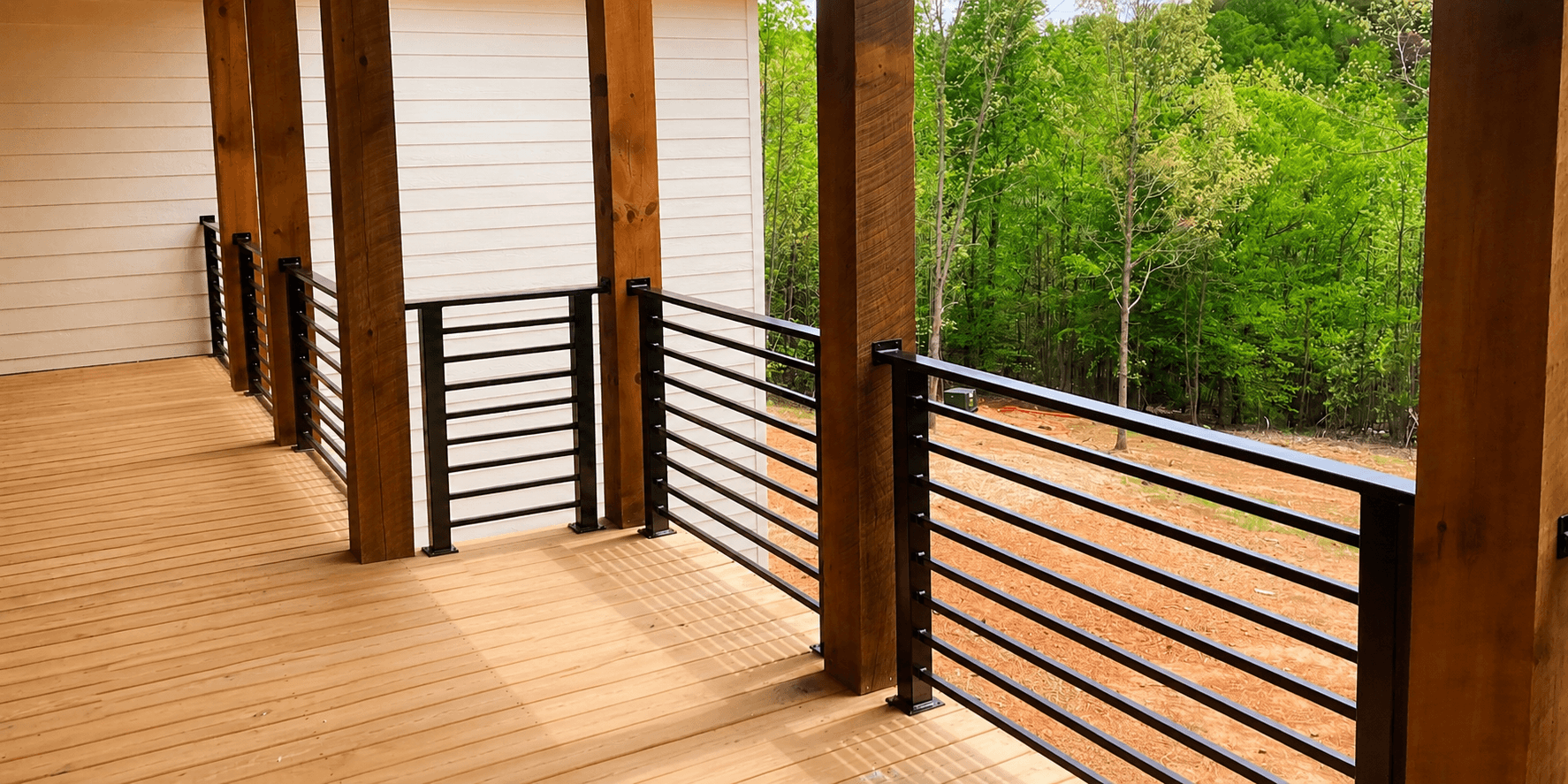
Residential exterior and porch detail—metal and glass on a mountain home.
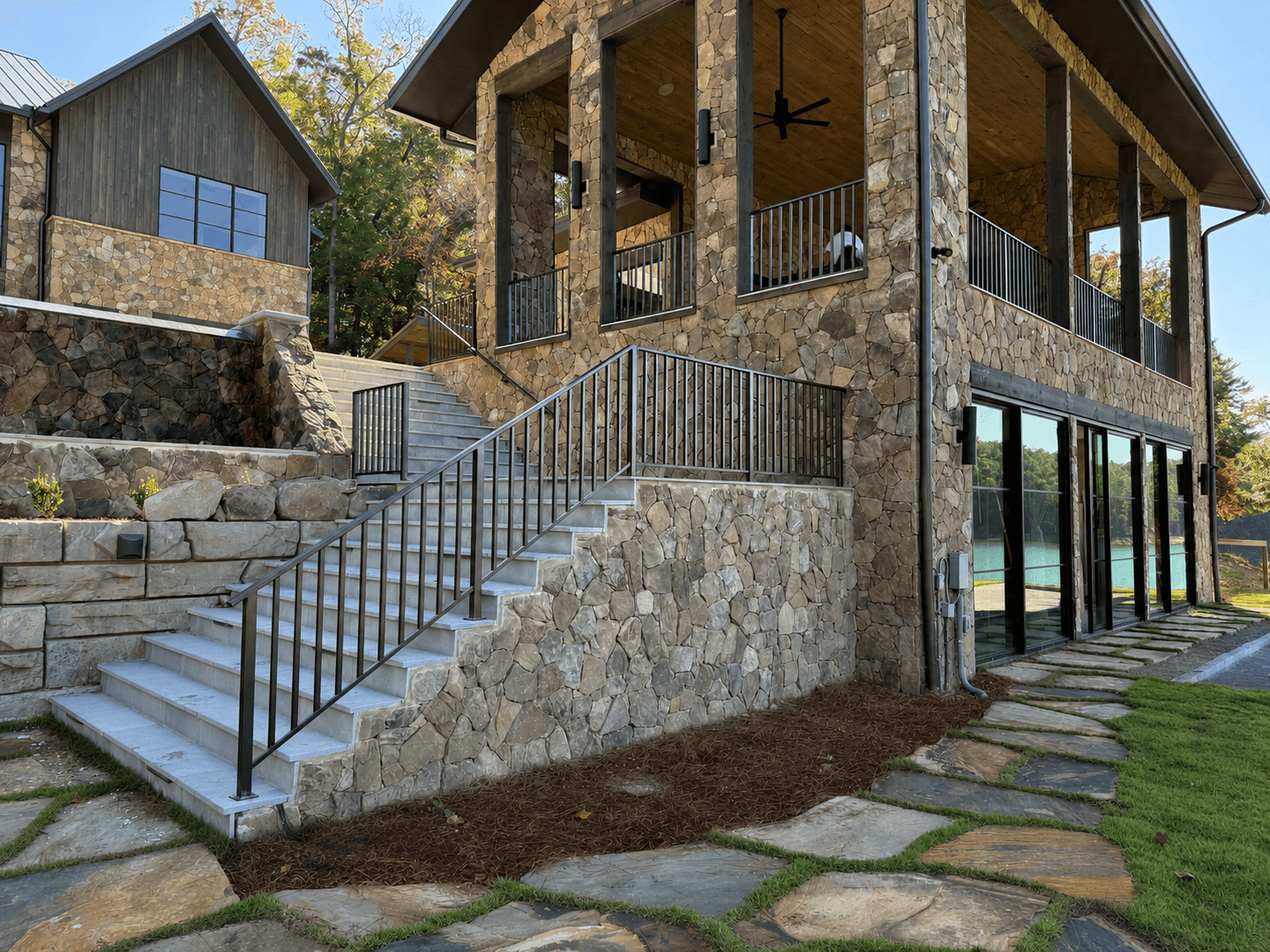
Residential walkway with glass and wood trim—exterior finish and metalwork context.
Overview

Finishes, picket spacing, panel density, and how much “pattern” you want in the metal all change appearance and long-term maintenance; we help you choose options that match your home and your budget without over-promising on details that need engineering or shop drawings. Porch, stair, and balcony iron work appears in the project gallery.

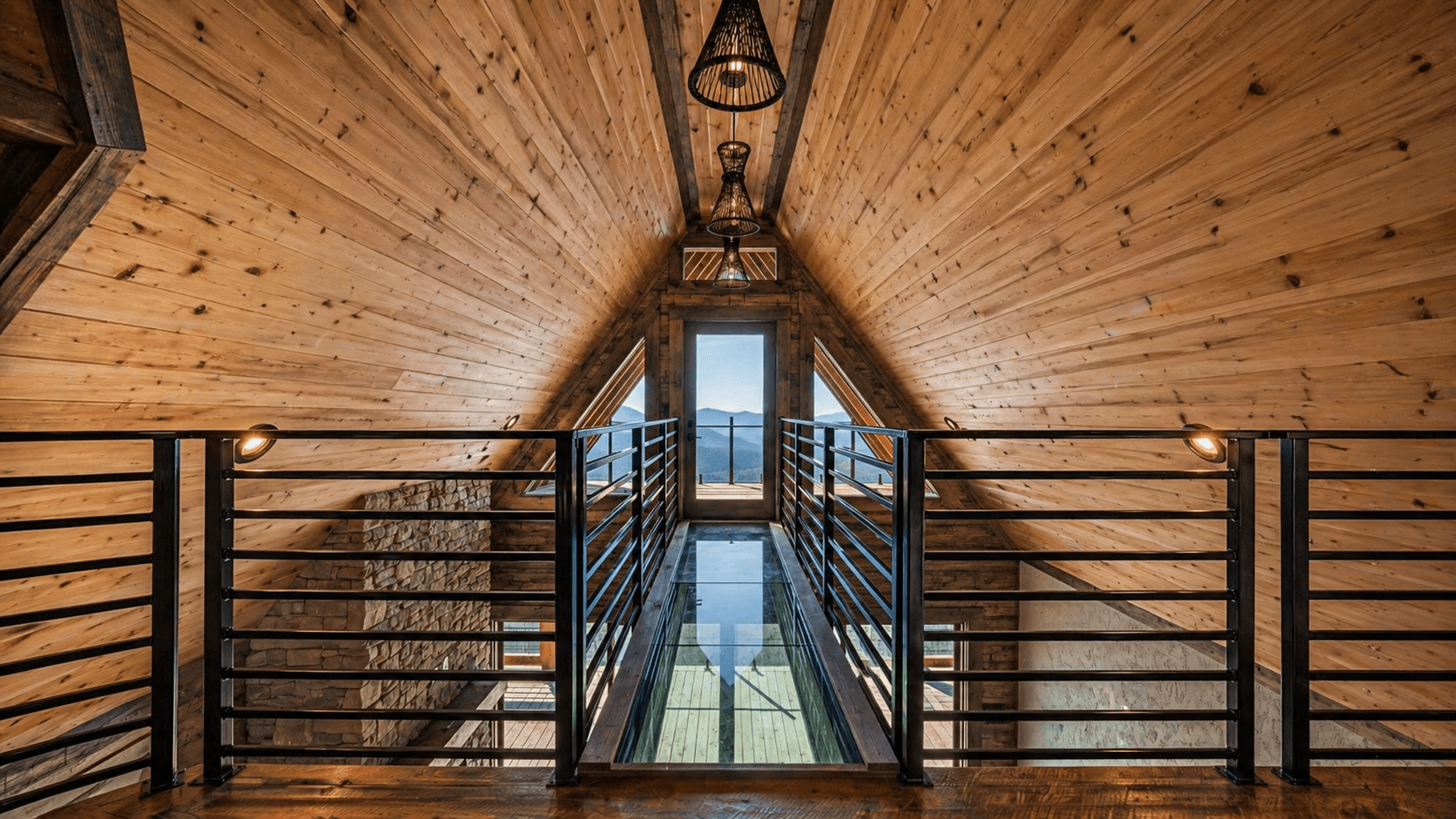
Unlike all-glass guardrails, wrought iron carries load and pattern in the metal itself—posts, shoes, welded joints, and picket layouts are where the strength story lives. For projects that combine iron posts or frames with glass infill, start from custom railings or glass railings so glass build and metal work stay coordinated.

What Wrought Iron Railing Projects Include

We work on exterior porches and balconies, interior and exterior stairs, and landing guards where wrought iron is the right material story. Scope typically covers field verification, anchoring strategy coordinated with your framer or builder, fabrication coordinated through trusted metal partners (we do not fabricate iron in-house), finish selection aligned to that fabrication path, and installation with plumb, spacing, and connection details checked at completion.

When stamped engineering is required beyond prescriptive approaches, we say so early and coordinate documentation before fabrication deposits move.

At a Glance

Common Project Types

  • Traditional Porch Rails

    Vertical pickets in classic patterns sized to porch geometry.

  • Stair Railings

    Interior or exterior runs with code-aware spacing and finish.

  • Balcony Guardrails

    Exterior runs sized for wind exposure and upper-level guardrail expectations.

  • Mixed Metal-and-glass

    Iron posts or frames paired with glass infill when layout supports both.

Building exterior with metal and glass entry—context for exterior metal railing and hardware work.
On Your Job

When Wrought Iron Fits Better Than an All-Glass Guardrail

Homeowners often lean wrought iron when they want a traditional porch rail, a stair guard that reads as metal from the street, or a balcony guard that does not depend on glass cleaning and sightline transparency. Glass railing systems stay the right lane when the priority is maximum openness, specific glass builds for impact or exposure, and hardware packages built around infill panels.

Mixed jobs are common: iron posts or frames with glass between them, or iron on the porch and glass on the deck where the view matters. We route honestly so you are not ordering two incompatible systems and hoping the field sorts it out.

Our Process

How wrought iron railing projects move forward

Most problems trace back to a measurement that was almost right. We template carefully—especially for showers and railings where walls are rarely plumb—then fabricate against those verified dimensions. Installation crews coordinate with supers and homeowners so materials arrive at the right time and fit correctly the first time.

For insulated work, we match thickness, spacer, and coating decisions to the specific opening. For mirrors and feature glass, we plan anchors, vibration, and cleaning access before we cut. For commercial schedules, we align deliveries to building hours, jobsite access, and safety requirements so installs run smoothly during business operations.

  1. Porch rails, stair runs, and balcony guardrails

    Porch rails set the curb story: picket rhythm, post spacing, and how the rail meets columns, steps, and existing trim. Stair runs add rake geometry, transitions at landings, and handrail continuity questions that need layout discipline before metal is ordered.

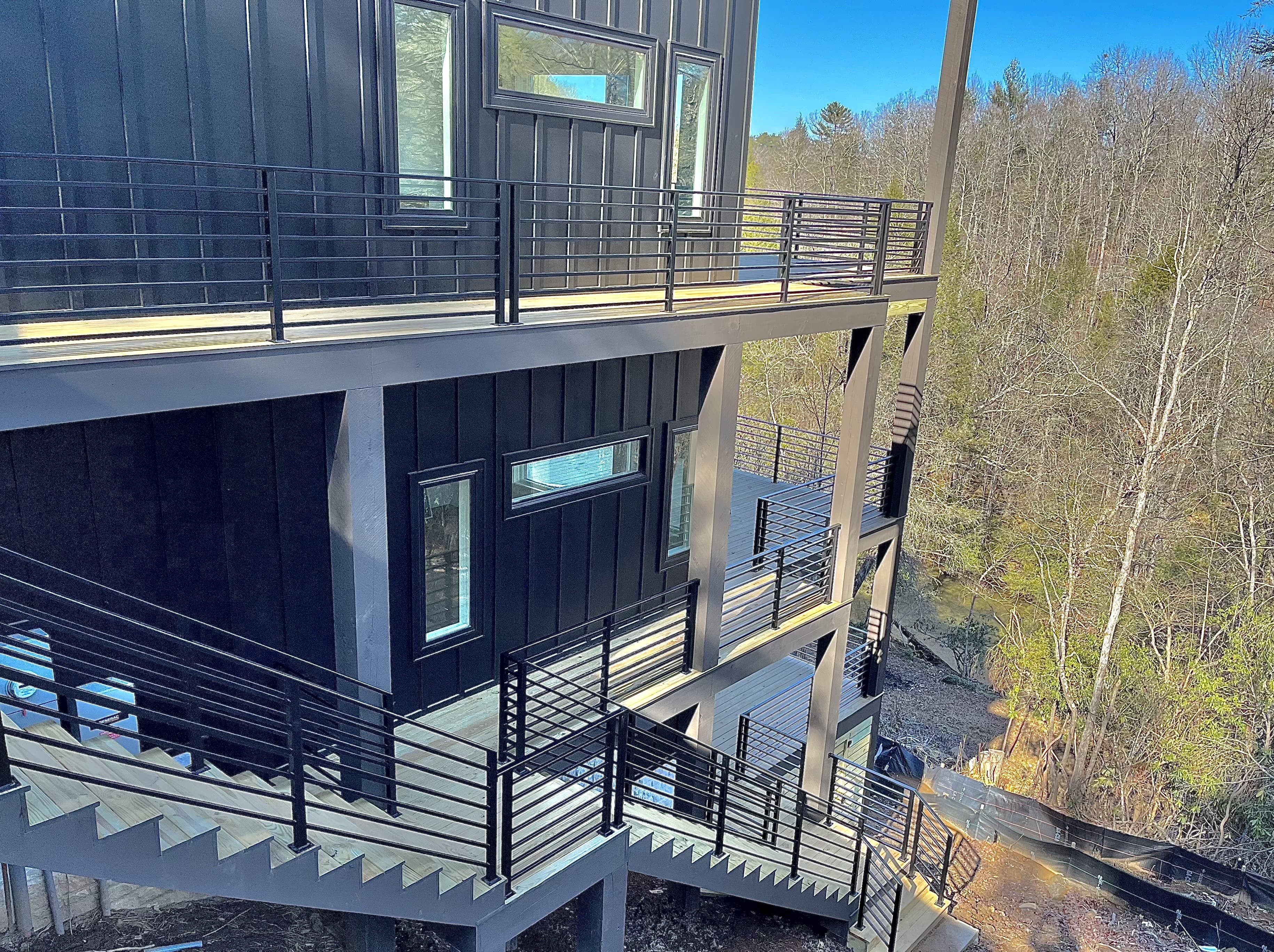
    • Balcony and upper-level exterior guards add exposure and wind that change how posts, shoes, and connections should be planned—not only how the rail photographs.
    • We treat each run as a layout and loading problem first so posts, spans, and connections match code expectations for height, spacing, and continuity.
  2. Traditional pattern density versus cleaner-lined metal guardrails

    Some homes call for a denser picket pattern or more traditional character at the porch; others need a simpler metal guardrail that still reads as intentional metalwork without heavy ornament.

    • We help you place the project on that spectrum based on architecture, HOA or neighborhood context when it applies, and how much visual noise you want at the guardrail line.
    • We do not promise one-of-a-kind ornamental programs we cannot document and install consistently; we do help you choose a direction that your fabricator partner can produce and that your budget can support.
  3. When homeowners and builders choose wrought iron

    Builders often bring us when picket patterns repeat across lots, when amenity entries need a metal guardrail that survives sales traffic, or when punch lists need a metal scope that still photographs cleanly.

    • Homeowners usually arrive here after they have compared iron with glass for the same opening—especially when a traditional street-facing look, less glass to maintain, or neighbor sightlines matter more than an open view.
    • If you are comparing iron versus glass for the same opening, bring photos and priorities—view, cleaning tolerance, privacy from neighbors, and how much metal you want visible from inside the house.
  4. Finishes, maintenance, and regional exposure

    Exterior metal in North Georgia sees UV, humidity, pollen seasons, and temperature swings.

    • Welds, connection hardware, and post bases are inspected so the assembly matches what inspectors expect for guardrails, not only what looked right on a sample board.
Configurations

Where This Service Shows Up in Real Projects

The buckets below are common ways this service shows up—not a price list and not every possible ticket. If yours is close, you are in the right place; send photos or call and we will confirm fit before we quote.

Coordination With Glass, Doors, and Other Trades

When wrought iron shares a job with glass railings, mirrors, or exterior doors, we align measurements and schedules so the opening is not stuck between vendors.

  • We also coordinate with framers and concrete trades when post bases, embedded steel, or blocking was specified on paper but does not match field reality.

Wrought Iron: Routing, Photos, and Drawings First

Tennessee Valley Specialties serves North Georgia, Southeast Tennessee, Western North Carolina, and nearby communities within roughly a two-hour radius of Copperhill, including Murphy, Blue Ridge, Blairsville, and surrounding areas.

Planning Notes

Wrought iron railing planning notes

The essentials above stay scannable; the notes below give homeowners, builders, supers, and property teams the deeper context that affects scope, schedule, and quote accuracy.

Request a quote

  • Finishes, Maintenance, and Regional Exposure

    Welds, connection hardware, and post bases are inspected so the assembly matches what inspectors expect for guardrails, not only what looked right on a sample board. We set expectations for touch-up and cleaning so the rail still looks intentional after weather cycles.

  • Coordination with Glass, Doors, and Other Trades

    We also coordinate with framers and concrete trades when post bases, embedded steel, or blocking was specified on paper but does not match field reality. Early photos and superintendent access notes reduce the “measure twice because the first assumption was wrong” tax.

  • Wrought Iron: Routing, Photos, and Drawings First

    Strong residential familiarity includes Blue Ridge, Blairsville, Murphy, and nearby mountain communities for guardrail work—send your address, elevation photos, and any drawings so we can confirm routing and scope. Request a quote for wrought iron railings when you are ready for numbers tied to verified structure and coordinated fabrication, or call if you need help deciding between iron-led, glass-led, or mixed layouts before you lock post locations.

FAQ

Frequently Asked Questions

  • Do you install wrought iron railings in North Georgia?
    Yes, when structure and scope support the design. We measure, coordinate fabrication with metal partners, and install residential guardrail runs across North Georgia. Strong familiarity includes Blue Ridge, Blairsville, Murphy, and nearby mountain communities—send your address, photos, and any drawings for next steps.
  • How do wrought iron railings compare to glass railing systems?
    Wrought iron carries the guardrail story in metal—pattern, posts, and pickets—where cleaning chemistry and panel transparency are less central than with all-glass systems. Glass stays the better lane when openness, specific glass builds, and glass-led hardware packages drive the design. Mixed layouts need coordinated post and glass dimensions; use the related service links at the end of this page for the glass railings program and the custom railings hub when both materials are in play.
  • Can wrought iron be combined with glass?
    Often yes, when posts and frames are designed for the glass build you want. We coordinate both scopes so field measurements, fabrication partners, and install sequencing stay aligned instead of splitting responsibility between vendors.
  • What is different about interior versus exterior wrought iron?
    Interior runs prioritize human-impact zones, handrail continuity, cleaning access, and how the metal reads from living spaces. Exterior runs add UV, wind, and drainage at connections—finish durability and hardware exposure matter more. Layout and loading still drive post spacing and anchoring in both cases.
  • Do you provide engineering for wrought iron guardrails?
    We work with prescriptive approaches where they apply and coordinate stamped engineering when your layout or jurisdiction requires it. If you are unsure, send drawings—we will be direct about what documentation is needed before fabrication moves.
  • How long does a wrought iron railing project take?
    Lead time depends on pattern complexity, finish choices, partner shop schedules, and whether engineering review is required. Field verification still has to happen before metal is ordered—we quote timelines we intend to keep once measurements and scope are settled.
  • What should I send to get an accurate quote?
    Photos along the full run, rough dimensions, interior versus exterior location, substrate notes where you know them (wood, concrete, steel), and any inspiration images or elevation drawings. Include your town, target finish dates, and whether the job is mixed metal-and-glass so we route coordination correctly.
Begin Your Project

Ready to talk through your project?

Quotes are free. Send photos and rough measurements, your project address or town, and a short description of what you need. Call, email, or use the contact form—we follow up to schedule in-person measurement when your opening needs field verification before a reliable estimate. Estimates are typically prepared in-house within about 24 hours after measurement, subject to workload and scope complexity. If you are unsure this page is the right fit, still reach out—we will tell you plainly when another program is a better match.

Call now